|
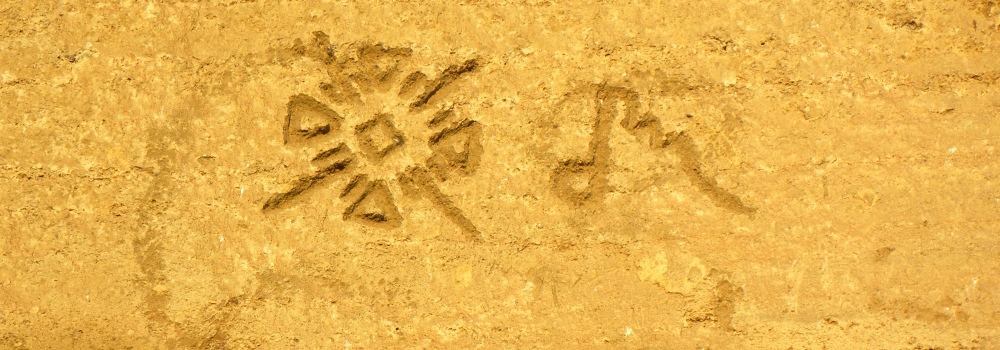
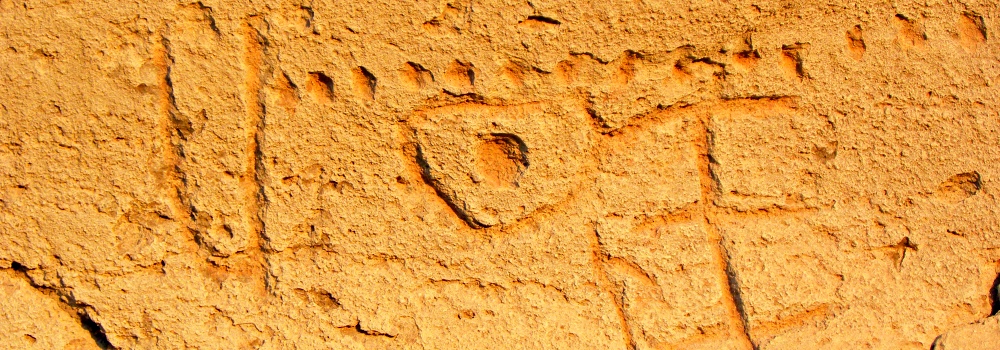
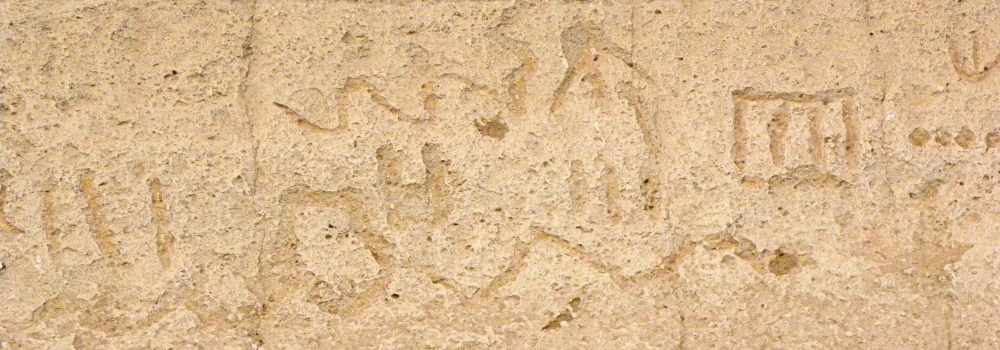
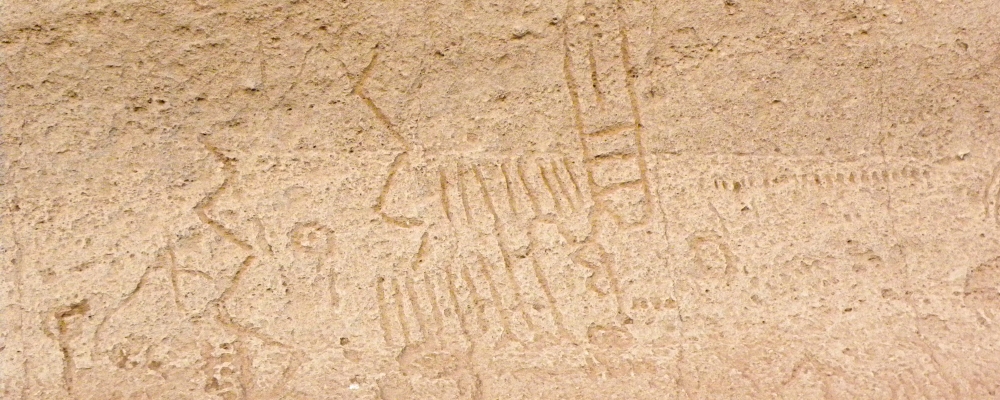
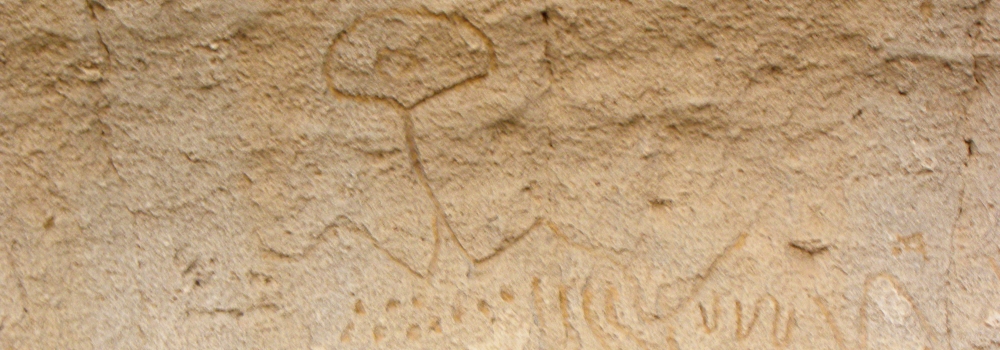
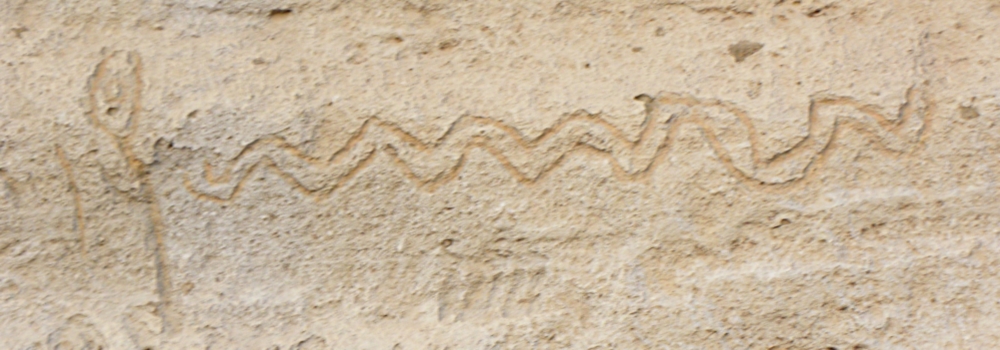
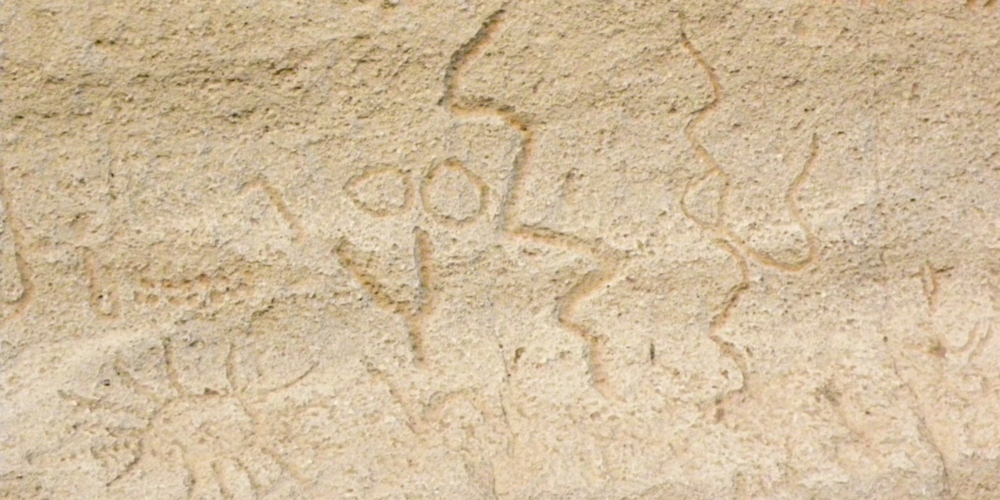
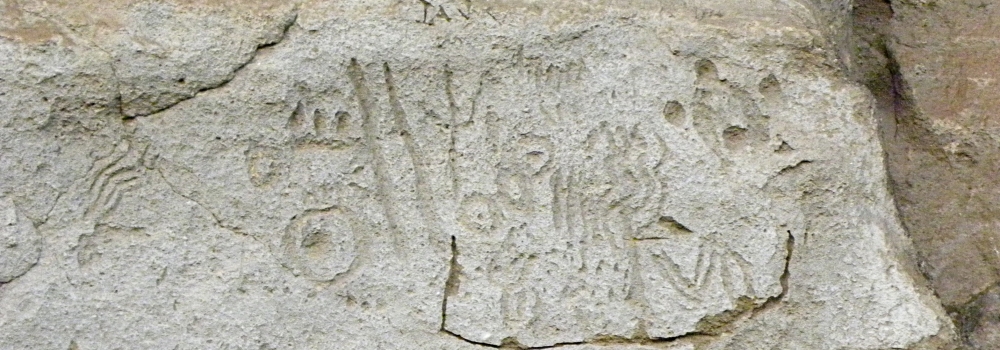
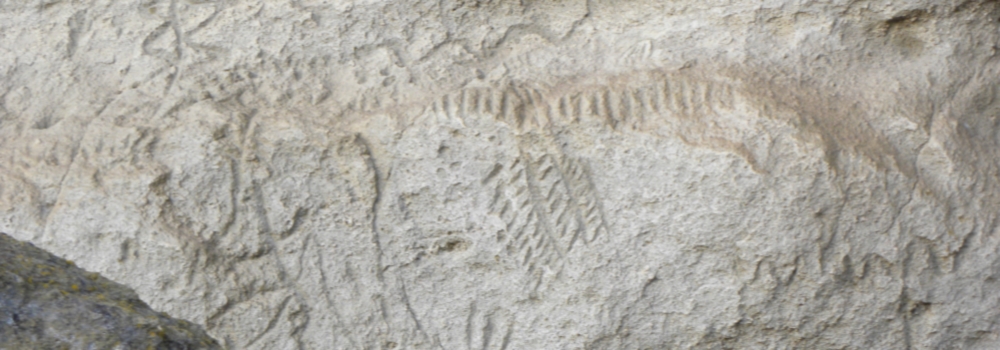
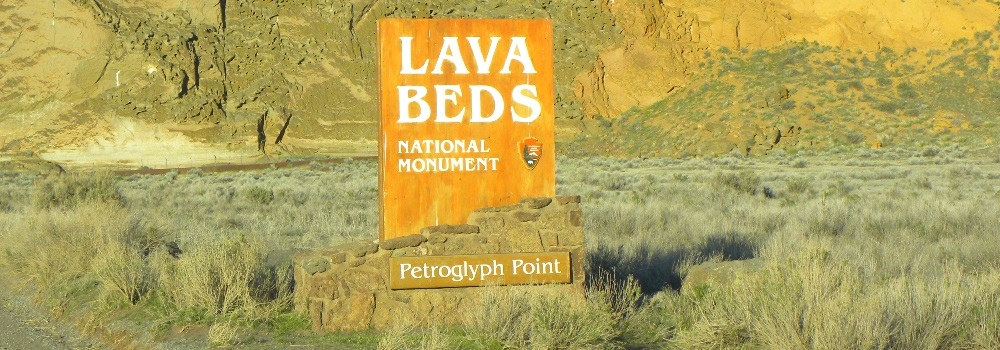
The Petroglyph Point is an archaeological site within the Lava Beds National Monument, located southeast of Tulelake, California. Petroglyph Point contains one of the largest panels of Native American rock art in the United States.
The petroglyph are carved along the face of a former island of ancient Tule Lake, in a region historically of the Modoc people territory.
Most of the petroglyph found at Lava Beds are located at Petroglyph Point, a former island within ancient Tule Lake.
Location:
As a separate unit of Lava Beds National Monument, these petroglyph is located northeast of the main unit. From the Lava Beds Visitor Center, located on Cave Loop Road, turn west onto and drive west on Forest Service Road 10, also called Volcanic Legacy Scenic Byway, then north to the Fee Station and Entrance to the Monument.
When the Volcanic Legacy Scenic Byway turns to the left, continue straight ahead on road and continue east past Captain Jacks Stronghold, to the intersection of County Road 120 (Rim Road) and continue straight for 1.5 miles. Upon arriving at County Road 111 (Great Northern Road), turn left and drive north for just less than a mile and after crossing the railroad track, turn right onto County Road 126 and drive just less than a mile to arrive at the Petroglyph Point parking lot beneath the lava cliffs.
Coordinates:
41.845069, -121.391352
Elevation:
4051 feet
Geographical Region
The Modoc are a Native American people who are believed to have originally lived in the area which is now northeastern California and central Southern Oregon.
The Modoc descended from one of the
Sons of Hadoram, who as a group had as there original ancestral home the coasts of modern day Washington, Oregon and California, who also spread out into the large lake basin areas of the lake (known then as
Ta-Maschilamek Menuppek) began to drain.
After the
Bridge from God, collapsed, and the great inland lake began to shrink rapidly, some of this nation of people would follow the water and become know to their contemporaries as the Lake Dwellers.
Later, with the complete drainage of Ta-Maschilamek Menuppek, these people would settle in the valleys, mountains and other areas that were in the area where the great lake once was.
Lava Beds National Monument
Road Path Jouneys:
Volcanic Legacy Scenic Byway:
California
Volcanic Legacy Scenic Byway:
Oregon
Who Carved this Rock Art?
All of the rock art is located in the traditional territory of the Modoc people and their ancestors and the predecessors of the Modoc people are the Sons of
Hadoram.
Furthermore, Petroglyph Point is the center of a Modoc creation story, while other sites with pictographs hold traditional significance for some modern Modoc and Klamath people.
Interestingly, some of the geometric patterns found in the rock imagery here appear on household items up to five thousand years old from nearby Nightfire Island, indicating that some of the same people could have carved the patterns into the rocks at Petroglyph Point?
With thousands of individual carvings, this site is one of the most extensive representations of rock art by the ancients in California. It could be possible that many generations of ancient artists paddled out in canoes, sharp sticks or stones in hand, to leave their mark here in the soft volcanic tuff.
|