|
Description:
The Washington Northern Rockies, also known locally as the Okanogan Highlands is bordered to the south and the west by the Columbia Plateau ecoregion.
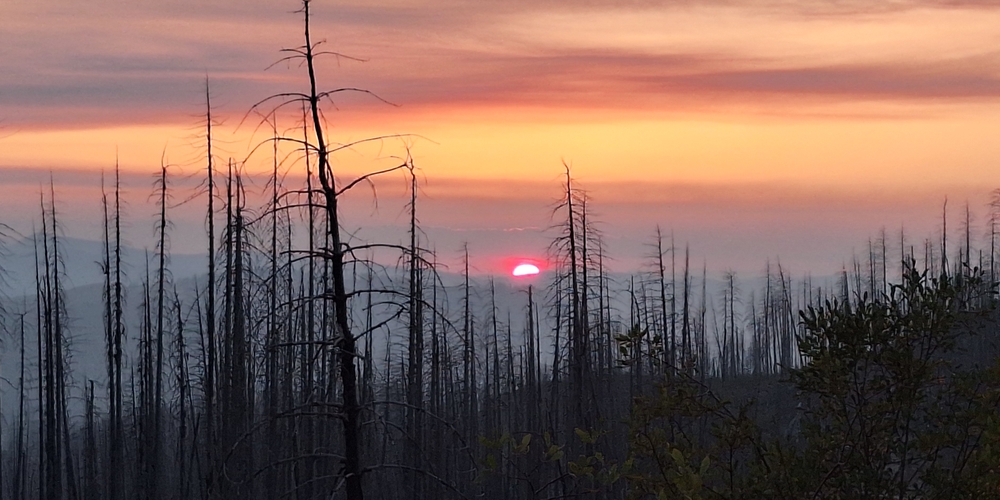
The Northern Rockies ecoregion is mountainous and rugged. Despite its inland position, both climate and vegetation are typically, but not always, marine-influenced, which keeps this ecoregion predominately wet.
The Northern Rockies ecoregion is not as high nor as extensively snow and ice covered as the Canadian Rockies, although alpine characteristics occur at highest elevations and include numerous glacial lakes. Thick volcanic ash deposits blanket large portions of the Northern Rockies Ecoregion and are more widespread than in Middle Rockies Ecoregion.
Logging and mining are common and have caused stream water quality problems in the region.
Climate-Weather:
The Northern Rockies have a very unpredictable weather, which can change quickly. The seasons in the Northern Rockies ecoregion are also very different from those to the south, either in the Middle Rocky ecoregion and or the Columbia Plateau ecoregion.
During the winter, the nights can be extremely low, even as low as low as -35 degrees. This season has the most amounts of snow, winds, and unexpected storms.
The spring in the Washington Rockies can also have some very unpredictable weather, as it can be wet and cold one day, and then dry and warm the next day.
Summer days usually have sunny mornings, daytime thunderstorms and clear but very short nights.
The fall starts quickly and bring cold, brusque days, with increasing wind but lessening amounts of rain turning into snow.
Flora
Douglas-fir, subalpine fir, Englemann spruce, and ponderosa pine and Pacific indicators such as western red cedar, western hemlock, and grand fir occur in the ecoregion.
The vegetation mosaic is different from that of the both the Idaho
Middle Rockies ecoregion (referred to by some as the Idaho Batholith) and the Montana
Middle Rockies ecoregion in Montana, which are not dominated by maritime species.
The Ancients
First Migration
(The Algonquian Cultures)
Colville Confederated Tribes
(48.11, 119.97)
Spokane Tribe
(47.88, -117.98)
The Earth
Deserts, Basins and Xeric Lands:
Northwest Basin
(around the edges)
Forests and Wilderness Lands:
Colville National Forest
(46.65, -117.65)
Kaniksu National Forest
(48.59, -117.15)
North Baldy, Elevation: 6,173 feet
Okanogan National Forest
(48.60, -118.90)
Salmo-Priest Wilderness
(48.93, -117.10)
Gypsy Peek, Elevation:. 7,309 feet
Abercrombie Mountain
7,308 feet
Kettle River Range
(48.8333169, -118.4173777)
Copper Butte, 7,142 feet
Deer Creek Summit Pass, 4,589 feet
Snow Peak, 7,103 feet
Sherman Pass, 5,574 feet
Taylor Ridge, 6,150 feet
Curlew Lake
(48.72, -118.65)
See Curlew Lake State Park
Diamond Lake
(48.11, 117.22)
Franklin D. Roosevelt Lake
(47.95, 118.98)
Grand Coulee Dam
Pend Oreille River
(49.01, -117.61)
Colville River
(48.57, -118.08)
Kettle River
(48.67, -11811)
Spokane
(47.89, -118.33)
The Modern Man
Curlew Lake State Park
(48.7251238, -118.6544823)
North of Republic, SH 21
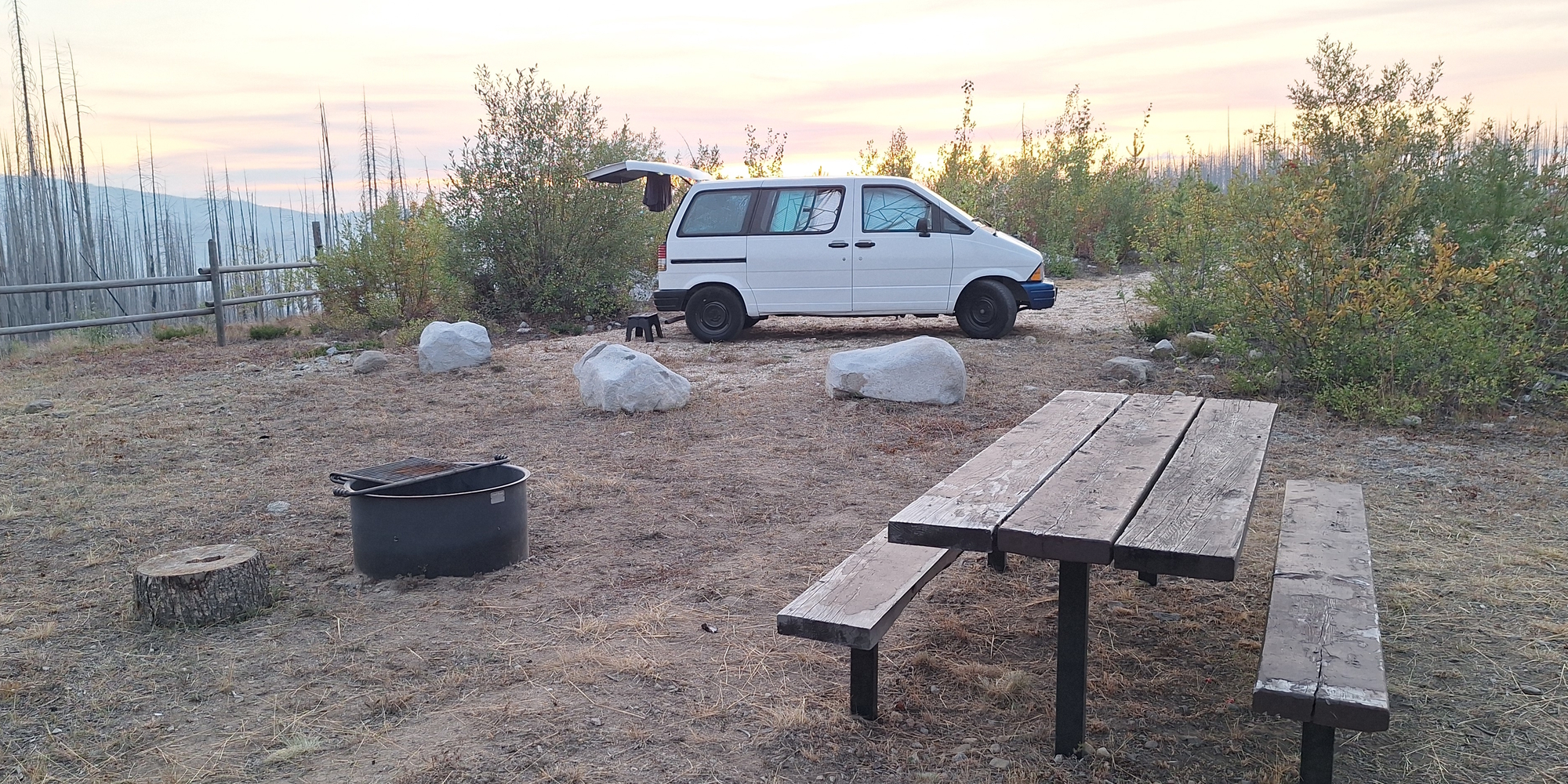
Deer Creek Forest Camp
(48864950, -118.395469)
Fort Spokane
(47.90, -118.30)
The Steps
Steps Afoot
Steps Afield
Congregation:
Libby Kingdom Hall
(48.4003749, -115.5449152)
|