|
Glacier NP Forest, Montana
Information:
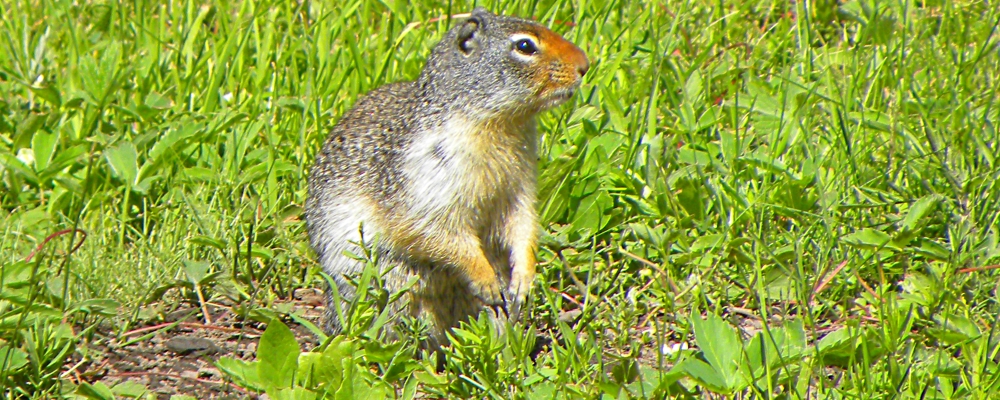
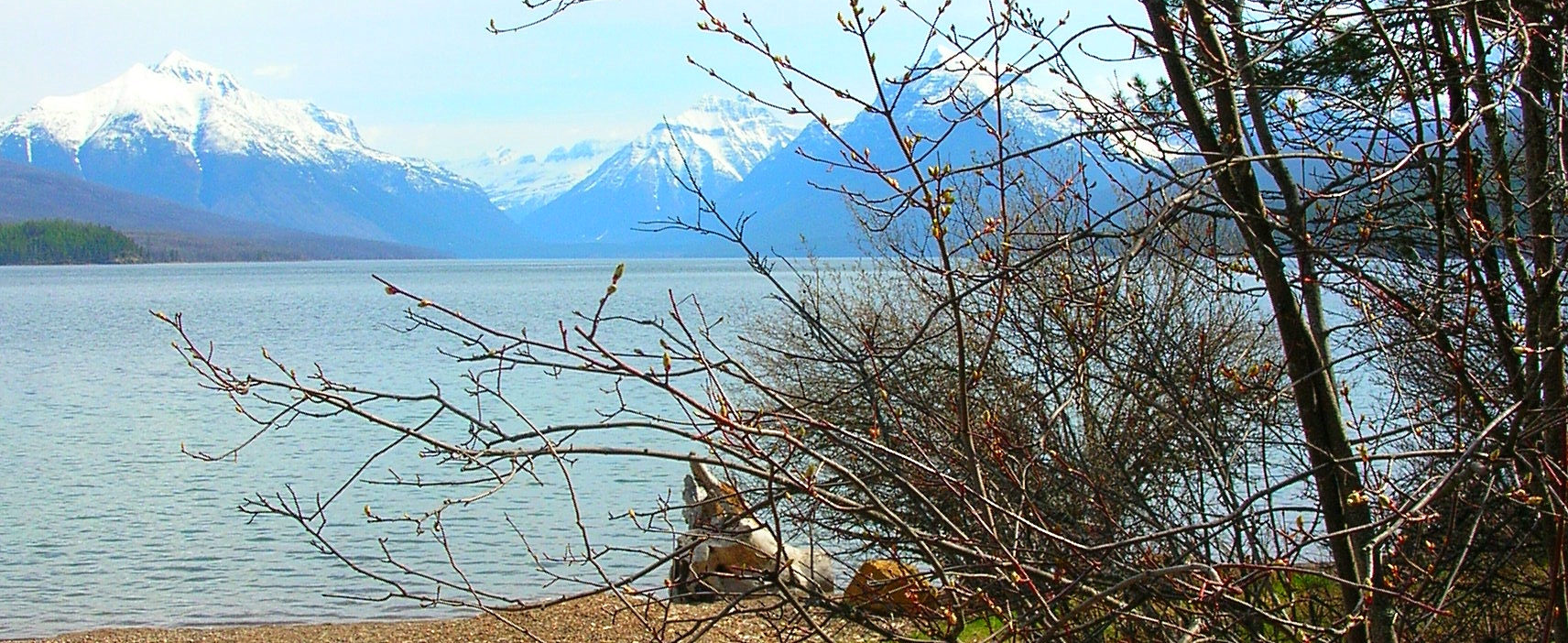
This national park is a 1,583 square mile wilderness area in the Rocky Mountains of the state of Montana. It is truly a wilderness land, one carved by prehistoric glaciers after which left the land filled with and unnumbered amount of mountain peaks, over 130 named lakes, over 630 unnamed lakes, over 500 streams, nearly 2000 species of plants and hundred of species of animals including 276 bird, 24 fish, 71 mammals, all in the vast forested valleys and mountains.
Since modern man has come to this land, he has crossed it′s wilderness with a high maintenance roadway called the Going to the Sun Road.
Too, in his effort to explore this northland wilderness, modern man has carved out of the wilderness, 745 miles of hiking trails, two miles of paved bike paths, eight campgrounds with 943 sites, all which provides viewing the parks diverse wildlife which include mountain goats and grizzly bears.
Driving Directions:
The Glacier NP forest is located in the northwest corner of Montana along the Rocky Mountains. Access by car is from US Highway 2, which runs along the southern boundary of the park. The eastern side of Glacier NP forest can by accessed from US Highway 89.
Southwest Visitors Center:
Apgar Visitor Center
Coordinates:
48.5229975, -113.9879120
Elevation:
3178 feet
Open:
Seasonal, April 15 - October 15
Nearest City:
West Glacier
Forest Specification
Forest Type:
Wilderness: Douglas-fir, subalpine fir, Englemann spruce, ponderosa pine and others
Size:
1,583 square mile wilderness area
Date Established:
11 May 1910
Forest Amenities
Backcountry camping, biking, boating, camping, guided tours, hiking, horseback riding, ranger led programs, wilderness area, wildlife viewing, winter sports.
Hiking Trails:
More than 700 miles
This land is part of the culture and history of the
Blackfeet, Salish, Pend d'Oreille, and Kootenai tribes, with physical evidence of their being in these forests for thousands of years. Even now, there are numerous tribes who use the area around and within what is now Glacier national park for hunting, fishing, ceremonies, and gathering plants.
Upon the arrival of the first European explorers, the Blackfeet lived in and around the prairies on the east side of Glacier, while the Salish, Pend d’Oreille, and Kootenai lived in the western side which was more forested.
Today, the Blackfeet Reservation adjoins the eastern border of the Glacier national park, occupies more than 2300 square miles and is home to about 17,0600 members of the Blackfeet Nation, which is the largest tribe in Montana, of which about 7000 live on tribal lands.
The Flathead Reservation encompasses approximately 2000 square miles mostly along the Flathead River and is home to approximately 7,000 members of the Confederated Salish and Kootenai Tribes of the Flathead Nation
Thirteen Campgrounds, $10-$23 per night. Three are reservable, others on First come basis
With over 1000 campsites, most with picnic tables and fire rings, water available in some.
Glacier National Park
Pathway Journeys:
Footpath Journeys
Roadpath Journeys
|