|
Bird Feeding Attract Starlings
From the start of the bird feeding on my deck at my home in Oak Harbor, Washington, I have had to deal with the starlings. From others, I have heard only bad about this species, some calling it the rat of the entire class of bird species.
Another friend said it was the Al-Qaeda of the bird world. Personally, I feel that it is part of the creation, so I let it also come to my feeding stations.
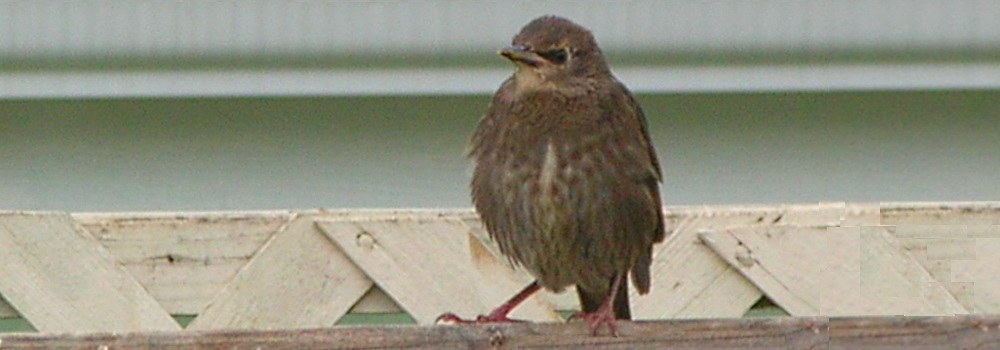
It did not take long before I came to understand why my friends were so against this species. The first thing that I found out about this species is, when I set out suet for the wood peckers, the starlings came in flocks and pummeled the suet until it was all out of the suet feeder and on the ground. A flock of starling could empty a double-sided feeder in less than half an hour.
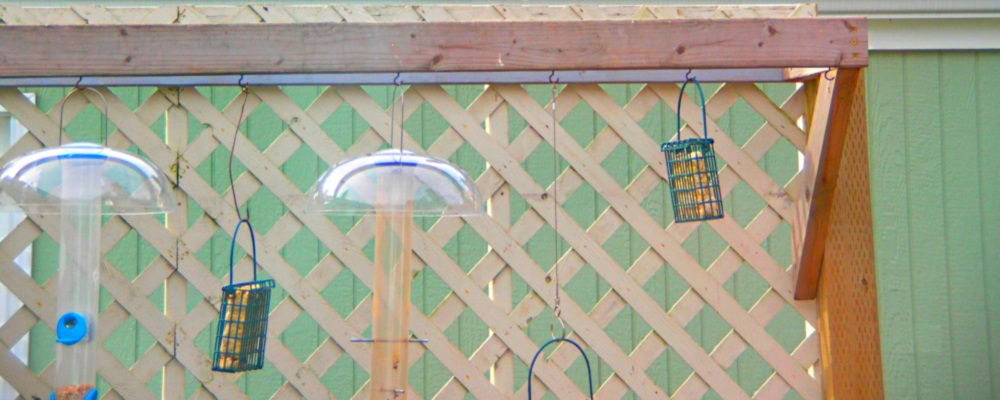
(m3an-chb-sost-113st-20070311.1401) Feeding Station, Seed and Suet Feeders
This is a problem in a couple of ways. Primarily, I do not want to keep putting that much suet in my feeders because it costs me about a dollars per package.
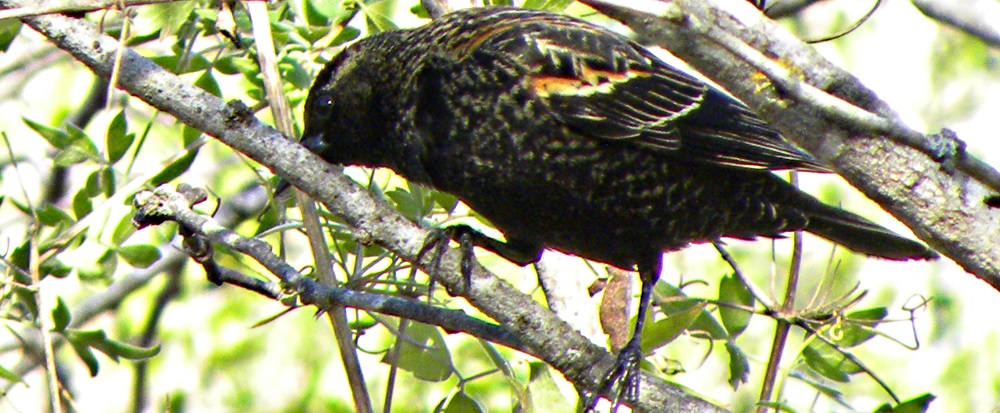
Second, the suet falling to the ground not only became easier for the starling to eat, but also attracted the four-legged rats to my home.
This, to me, was unacceptable. I had to devise a way to dissuade these birds from destroying my suet feeding stations such as they have begun to do.
Rethinking the Suet Feeder
The first thing that I though of doing is to hang the feed in such a way as to require any bird feeding from it to approach from the bottom, fly up and grab hold with their feet to hang in order to eat. The woodpeckers had no problems with this new design, neither did the bushtits, chickadees, and nuthatches.
The only bird that could not create a work-a-round was the
grosbeak.
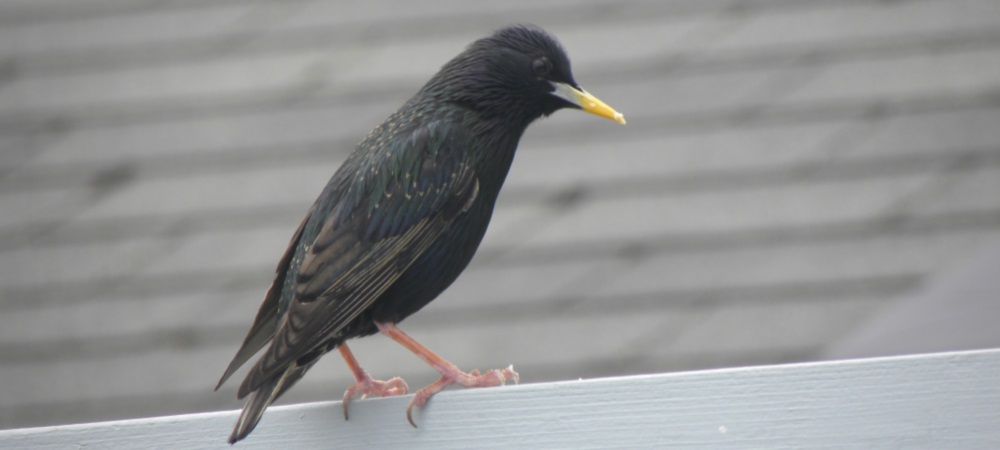
(m3an-chb-sost-113st-20100613.1347) Starling arrive to check out new feeder.
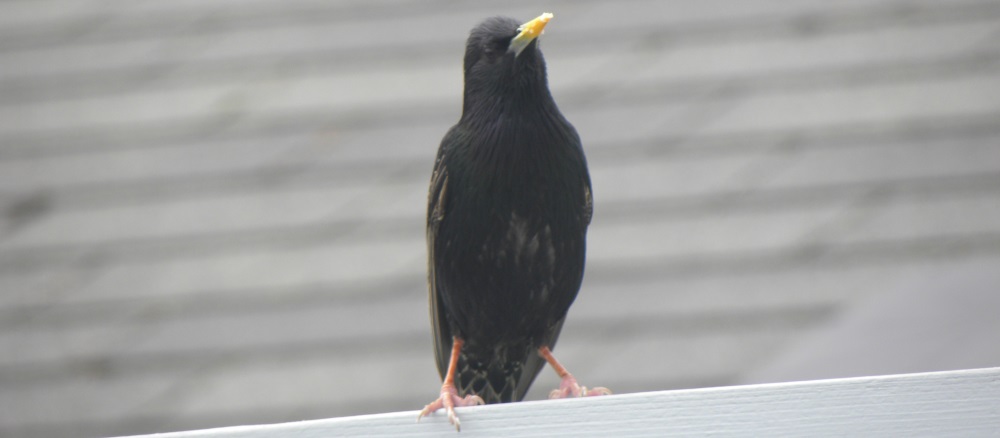
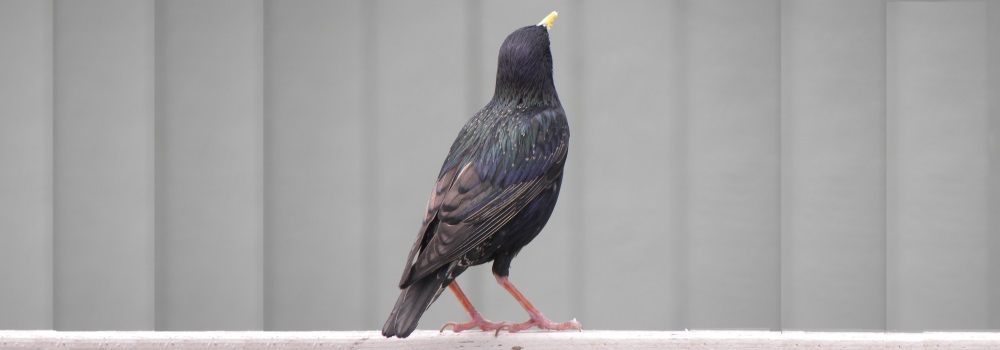
(m3an-chb-sost-113st-20100613.1348a) Preparing to jump up to the feeder.
What I came up with is to use two metal key rings and some chain to support the suet basket in a horizontal position. When inserting the suet in the basket, I left the plastic packaging on the suet with the open part of the package facing down.
Thus, any bird landing on the top of this suet feeder would only encounter a hard plastic barrier which would prevent their access to the food.
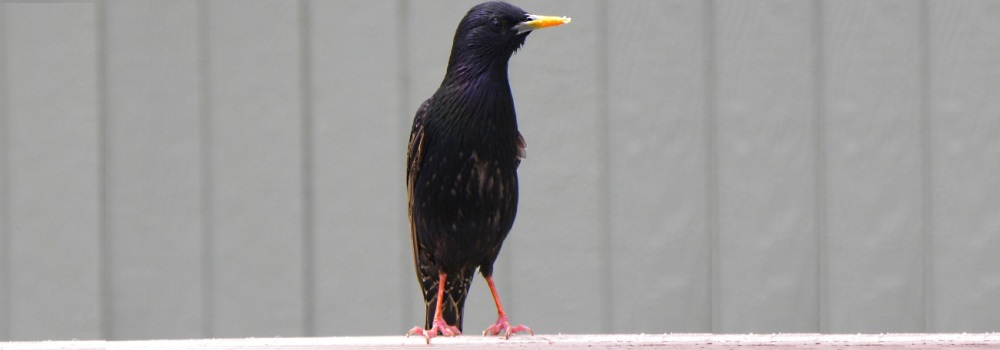
After first trying to drill through the plastic, the starling gave up and began looking up from the railing. To make the jump harder, I raised the suet feeder to the top of the feeding station, hanging it on the hook.
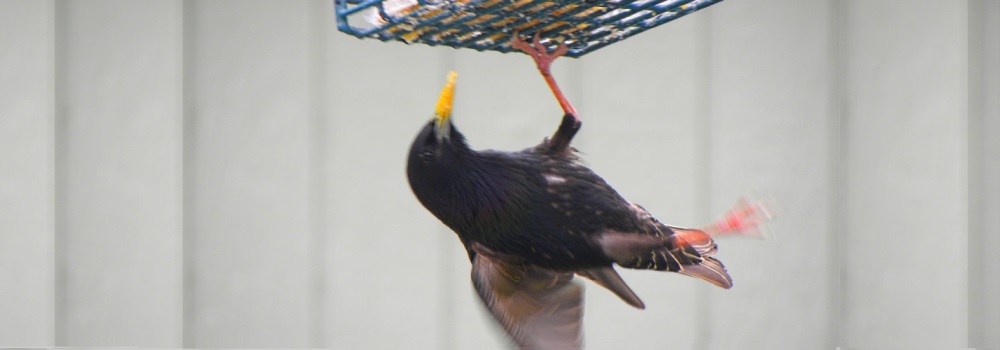
(m3an-chb-sost-113st-20100613.1349) A one foot grab is just not good enough.
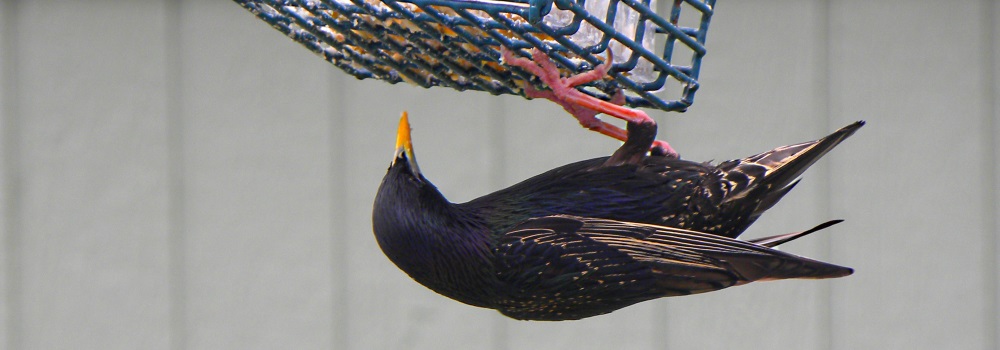
The Quest for a Starling Proof Feeder
This first redesign suet feeder only slowed these bird down somewhat and this keeps me thinking of how to design the suet feed in order for it to be starling proof.
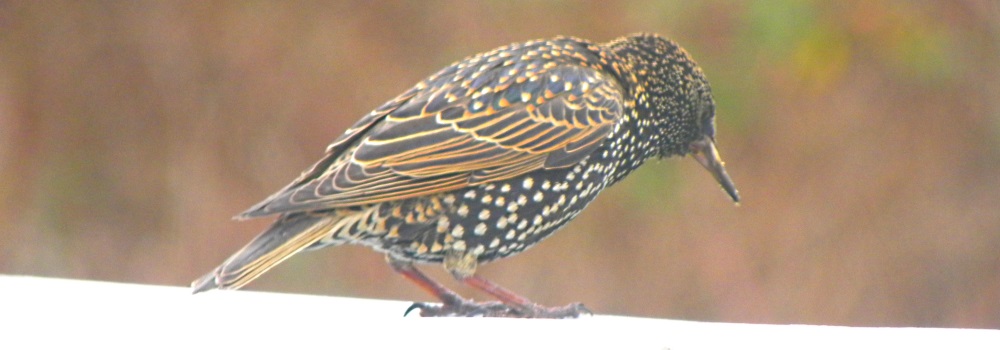
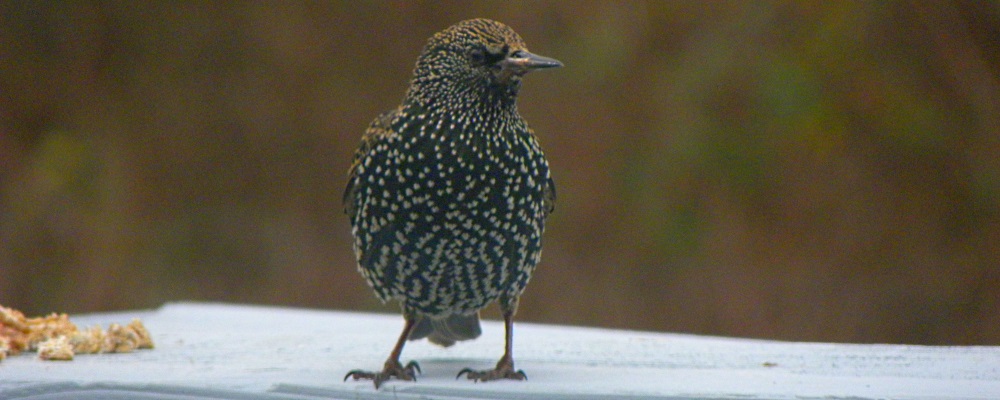
The Next Design
Watching the starlings jump up and haphazardly grab for any part of the suet cage, I began thinking that if I could cover the largest portion of the metal cage, the starling would have a much harder time connecting.
So, the next design would be a wood box in which I could install the metal suet cage. The top loading cage would not work in this new design, so I would also need to buy a different design cage one with a front access. I have previously seen these cages and decided that they would work perfectly.
Soon, the new feed was built and hanging. However, after just a few attempts, the starlings bested this feeder as well.
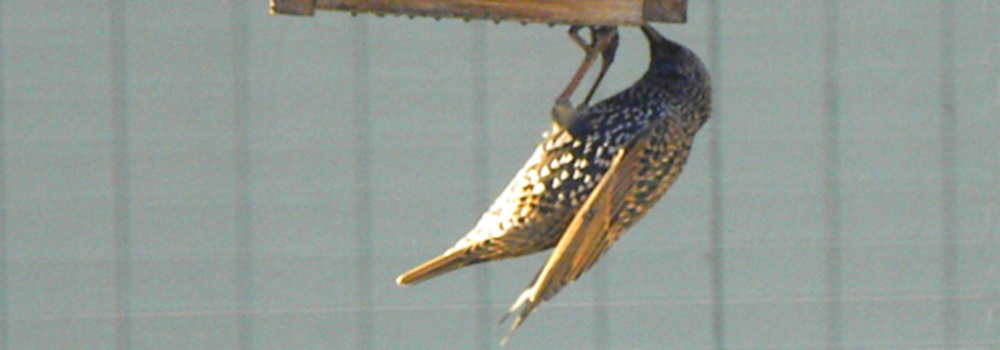
(m3an-chb-sost-113st-20121110.1359) Starling hanging on wood encased feeder.
The wood box around the cage had definitely made it much harder for them to grab hold. Also, none of the starlings could remain long while hanging upside down.
The design was actually working somewhat. In fact, some of the birds could not make the necessary two-footed grab in order to remain on the cage and feed.
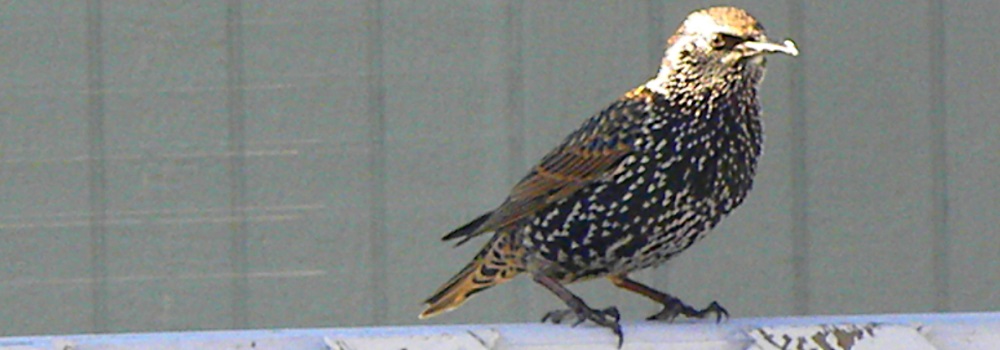
(m3an-chb-sost-113st-20121110.1359a) Suet on the bill, guilty as charged.
Recessing the Metal Cage
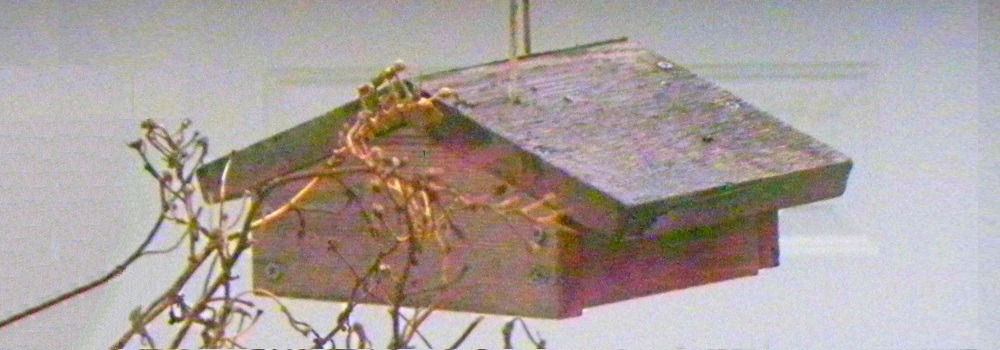
The next idea came to me while watching the starlings jump up and grab the metal cage. I decided to redesign the wood box so that the cage would be recessed about one inch into the underside of the wood box.
Defeating the Starling
This proved to be the best design as it defeated nearly every attempt by the starlings to access the suet underneath and inside the wooden box. A few were able to grab hold to the cage and eat a little suet, but doing so proved difficult, even exhausting and eventually even these few stopped coming to the suet feeders.
Still, not one of the starling were able to devastate the suet again.
However, this new design proved a challenge to many of the other non tree-climbing birds even though some of them were able to eventually access the suet.
This new wooded box did provide a land space for all of the tree-climbing birds who would then climb to the underside of the box and begin eating suet.
Three months after creating this starling proof design, I sold my home and began my journey on, driving full time around the county in a small van, where I did not have the location nor the tools tool to fully develop and market my new design of Starling Proof Suet Feeder.
However, this
Journey On proved to be more fulfilling and more rewarding than what any new business endeavor would have ever provided.
Still, I will always have this experience to look back on, a time when I stood up against and Bested the Starlings.
|