|
Iridescence
An iridescence (or irisation) is a colorful optical phenomenon that occurs in a cloud and which appears in the general proximity of the Sun or the Moon.
An iridescent is a diffraction phenomenon which is caused by small water droplets or small ice crystals when they individually scatter light. Larger ice crystals do not produce iridescence, but instead will cause halos, a different type of phenomenon.
When the particles in a thin cloud are very similar in size over a large extent, the iridescence takes on the structured form of a corona, a circular bright disk around the sun or moon, surrounded by one or more colored rings. Iridescence is also seen in the much rarer polar stratospheric clouds, also called nacreous clouds.
Currently, there are two types of iridescence that I have seen, one is rare and the other is more common.
The rare iridescence is most often referred to as a cloud iridescence and the more common one is called a cloud silver lining, both of which are a type of photometeor. In atmospheric optics, a photometeir is a bright celestial object or other optical phenomenon appearing in the Earth's atmosphere when sunlight or moonlight creates a reflection, refraction, diffraction or interference under particular circumstances. Photometeors are not reported in routine weather observations.
Cloud Iridescence
A cloud iridescence is the occurrence of colors in a cloud and has the appearance of the colors seen on soap bubbles and/or on oil film on a water surface and are most often observed in altocumulus, cirrocumulus, lenticular, and cirrus clouds. The colors are usually pastel, but can be very vivid or mingled together, sometimes similar to mother-of-pearl. They sometimes appear as bands parallel to the edge of the clouds. (see the second photo directly below.)

(m5ph-iridiscence-shinn) An Iridiscence in the Clouds
Photo by See Shinn

Cloud Silver Lining
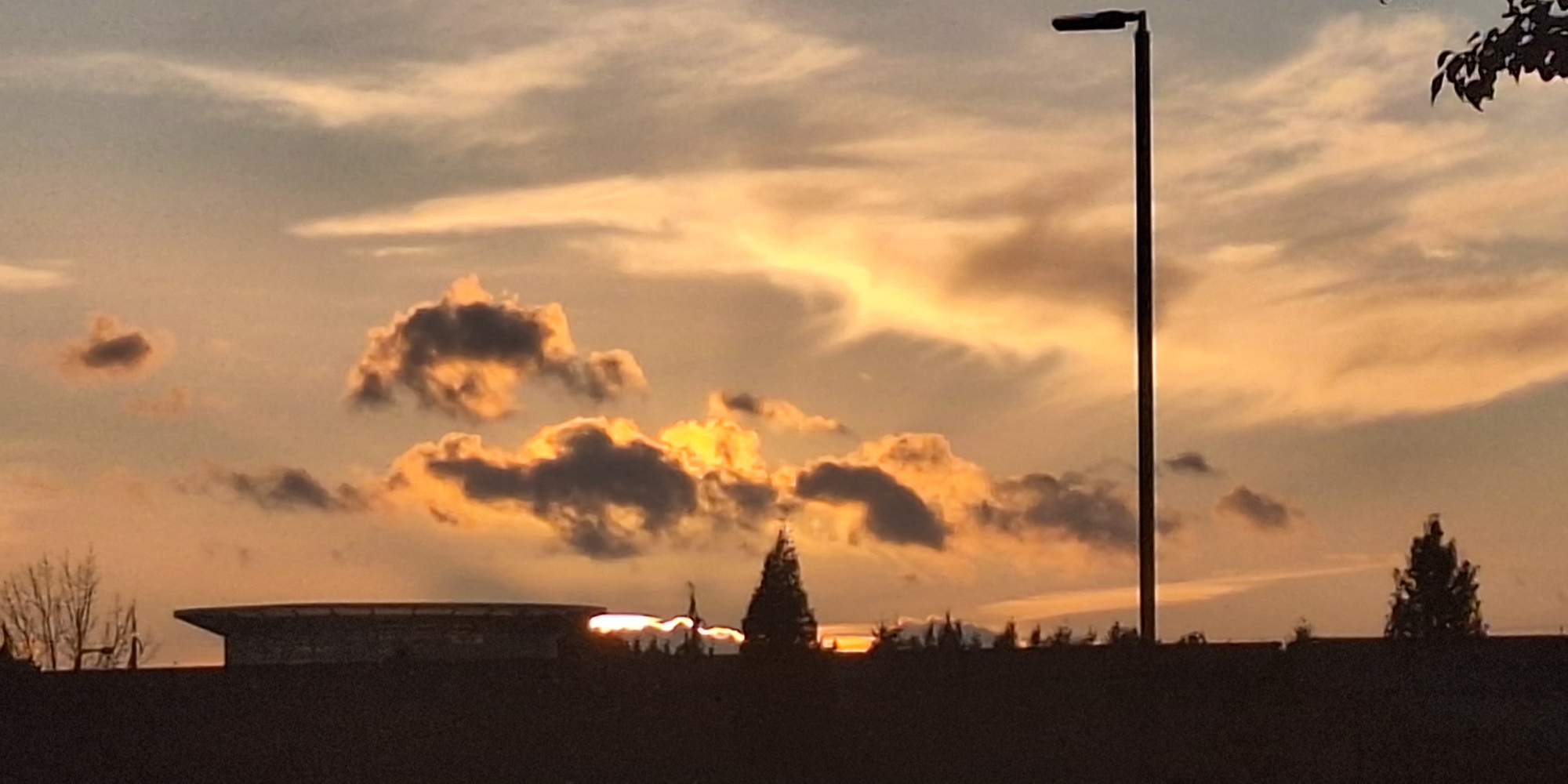
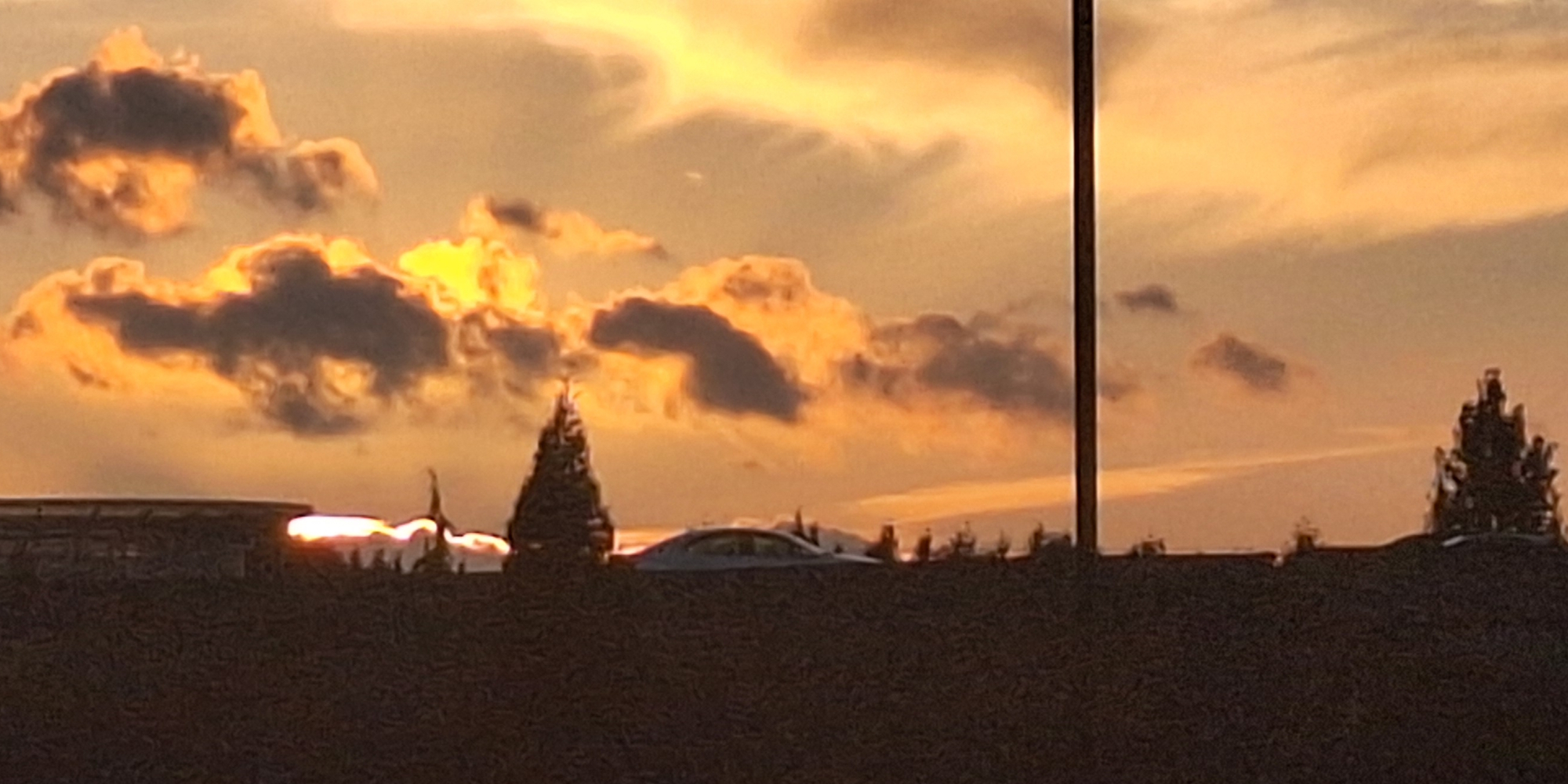
This fairly common type of iridescence are most often seen during sunrise and sunset and instead of having a rainbow like display, only have a bright lining along the edge of the cloud closest to the position of the sun or moon.
You can tell by the brightness of the sky that the Sun is right behind that cloud. When the angles are just right, light from the Sun will reflect from the edges on the cloud and scatter forward to the lucky observer. The dark part of the cloud is thicker, and lies in its own shadow. The silver lining, however, is lit by the full brightness of the Sun.
When the sun is shining from behind a cloud, the light from the sun transforms the edge of the cloud into a silver lining. The silver lining occurs when light is diffracted by clud droplets along the cloud′s outer edge. Silver linings can be observed around thicker clouds containing larger droplets. And the lining is not always “silver” because when combined with the colors of a spectacular sunset, the lining can be yellow, orange, red, or even violet.
It was John Milton who first coined the phrase "Silver Lining" sometime in the early 1600s, however, now this term is generally used to promote optimism.
|