The Wayƒarers Journal ©

The Journal

The Wayƒarers

The Selƒ

The Journey

The Burden

The Mountain

   The Ancients
   The Earth

     Geochronology
     Continents

       Africa
       Antarctica
       Asia
       Europe
       North America

         Geographical

           Arctic Mtns
           Greenland Isl
           CAN Lowlands
           CAN Shield
           Int. Lowlands
           Rocky Mtns
           Basin-Range
           Pacific Coast
           Great Plains
           Appalachian
           Int. Highland
           Cst Plains
           N. Sierra Mad.
           Volcanic Mtns
           S. Sierra Mad.
           S. M. de Chipas
           S. Pacific Cst
           Island Lands
           Continent Shelf

         Geological

       Oceania
       South America

     Oceans

   The Life
   The Modern Man
   The Nonpareils
   The Steps
   The Way

The Appendix

The Wayƒarer
The Mountain
Go to bottom of this page
THE COASTAL PLAINS REGION
The South Pine Belt Plains Ecoregion, Louisiana

The El Camino Real de Los Tejas Go Down Go Back
The Royal Road of the Tejas Indians
The Road Path of the Spanish explorers known as the Royal Road of the Texas Indians and also The King′s Highway was the only road path from Mexico through Texas to the northwestern portions of what is now Louisiana. Too, this road path was built to be a means of providing supplies to the many missions and presidios that were established along its route.
This path has existed for over 300 years and in the year 2004 was designated in the United States as a National Historic Trail.
Travelers on this path began with Spanish and French explorers, then missionaries of several faiths and later followed by those coming from the east, such as Sam Houston, Stephen F. Austin, Jim Bowie, and David Crocket.
Natchitoches
Located on the banks of the thirty-six mile long Cane River Lake, the modern town of Natchitoches was established by the French in 1714 and is the oldest permanent settlement within the territory of the Louisiana Purchase.
Although it was the French would founded an outpost by the name of Fort Saint Jean Baptist in this area, they began to call the subsequent town that subsequently began to develop, by the name of Natchitoches, which word came from the Caddo indigenous people. In fact, this was the word in their language that they used to call the location where upon their village stood.
Caddoan Culture
The Caddoan culture, also called the Western Mississippian Cultures were a mound building culture living in the western most expansion of the Mississippian Period Cultures which lived in the southeastern area of the continent from about 1000 CE through to 1700 CE. Much earlier in their history, prior to their abandonment of tribal life for the agriculture, centralization, complexity and sedentaristic ways of the mound societies, these people had been a part of the first migration across the area now known as the Beringia Land Bridge
Those who would make their settlement in the southeastern parts of the North American continent were descents of the sons of Joktan, specifically the indigenous people were the sons of Joktan′ son Diklah.

Location:
Coordinates:
Elevation: feet
Geographical Region: Coastal Plains
Wonders:
Parks:

The Modern Man
Architecture:
Oakland Plantaion Cane River NHP, (31.6640856, -93.0046132)
Magnolia Plantaiion, Cane River Creole NHP (31.5496556, -92.9415131)
Melrose Plantation (31.6002860, -92.9658818)

The Ancients
Ancient Steps:
First Wayƒarers

The Earth
Geological:
Waterways:
Rivers:
Red River

The Modern Man
Campgrounds:
Louisiana Campground Index

The Steps
Pathway Journeys:
Steps Afoot
Footpath Journeys:
Louisiana Footpath Journey Index

Steps Afield
Roadpath Journeys:
Louisiana Roadpath Journey Index

The Way

The 2015 Journey, South Pine Belt Plains Ecoregion Go Down Go Up
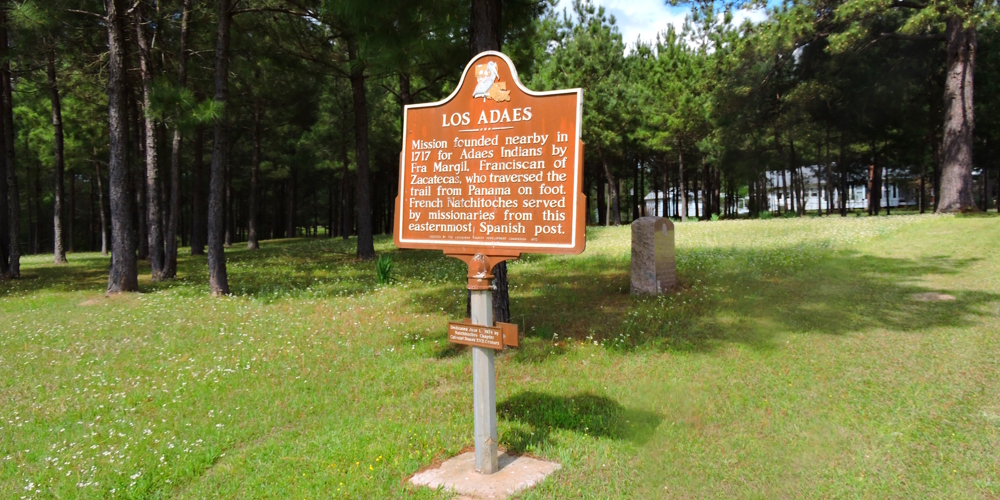
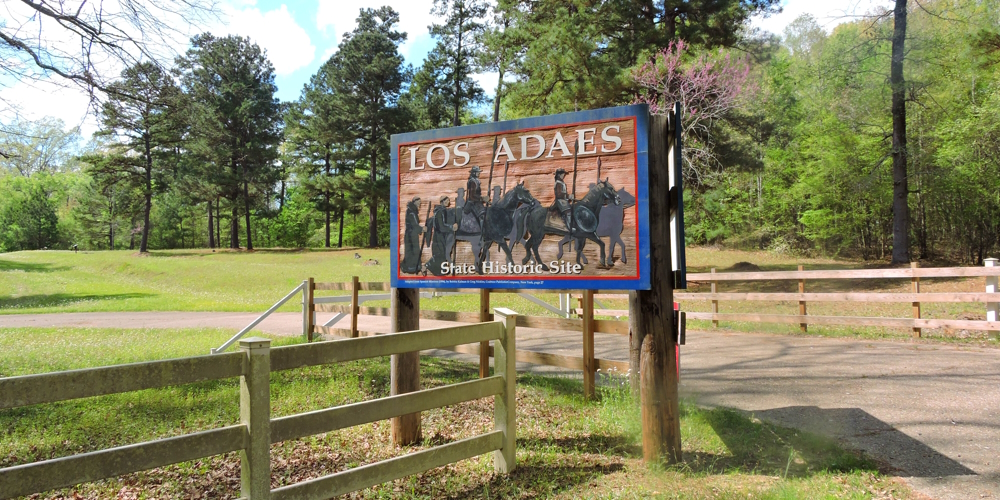
At Los Adaes, near the end of the El Camino Real de Los Tejas, was located the presidio name Nuestra Senors del Pilar de los Adaes. From here, an elected representative from Los Adaes traveled some 1300 miles to Saltillo, Mexico City and other cities where he would collect the soldier′s salaries and purchase goods need by the soldiers back in Louisiana.
This trip, south to Mexico City, the gathering goods and then returning back to Los Adaes would take as long as six months to accomplish.
Portions of El Camino Real de Los Tejas are preserved at this state historic site.
The Coastal Plains Region
Louisiana: South Pine Belt Plains Ecoregion
El Camino Real de Los Tejas
(m2cont-nam-12-la-12c-delostejas-2015-0330.1401) El Camino Real de Los Tejas, Los Adaes
The Coastal Plains Region
Louisiana: South Pine Belt Plains Ecoregion
El Camino Real de Los Tejas
(m2cont-nam-12-la-12c-delostejas-2015-0330.1405) El Camino Real de Los Tejas, Los Adaes
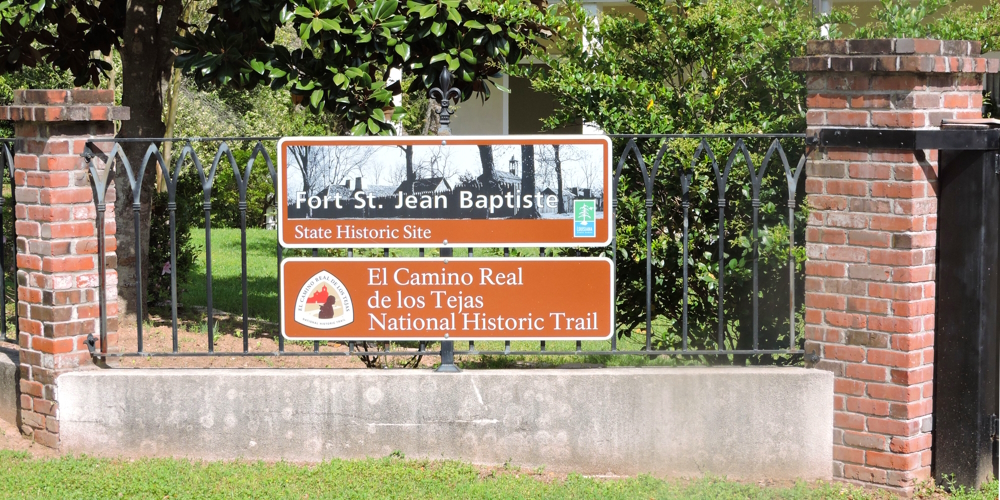
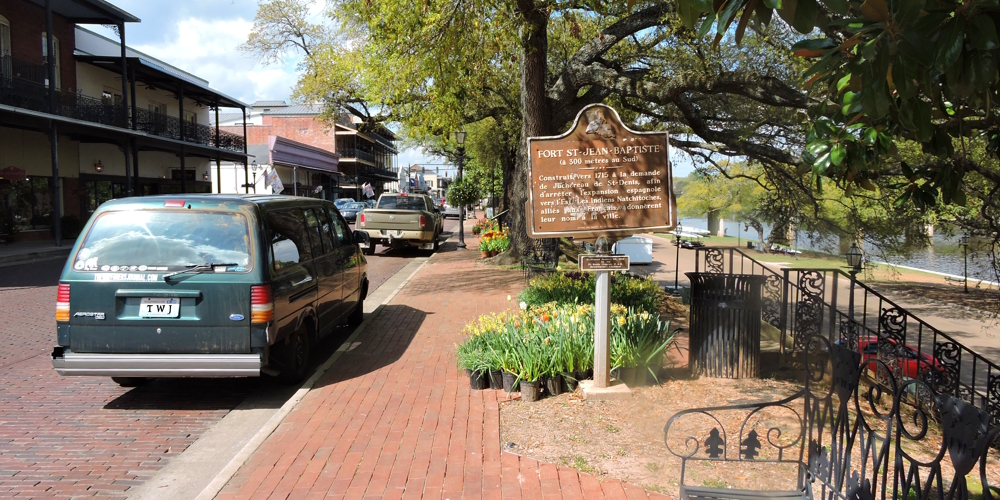
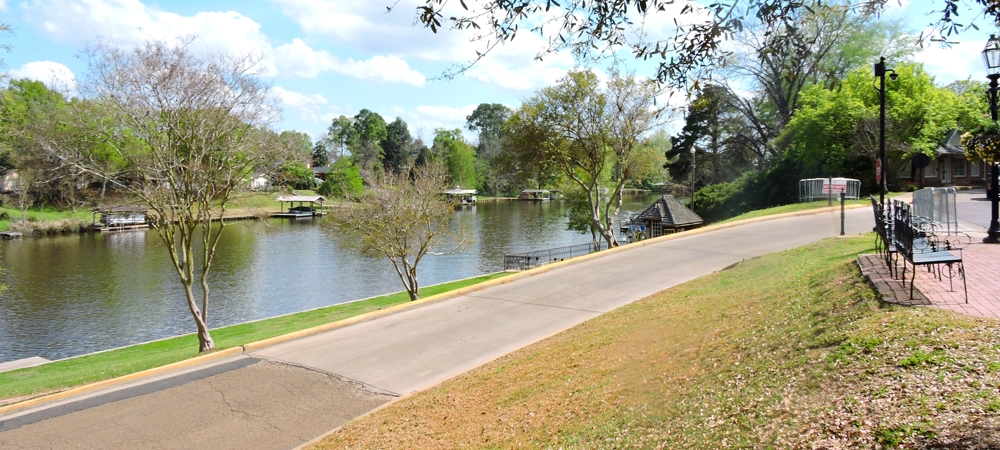
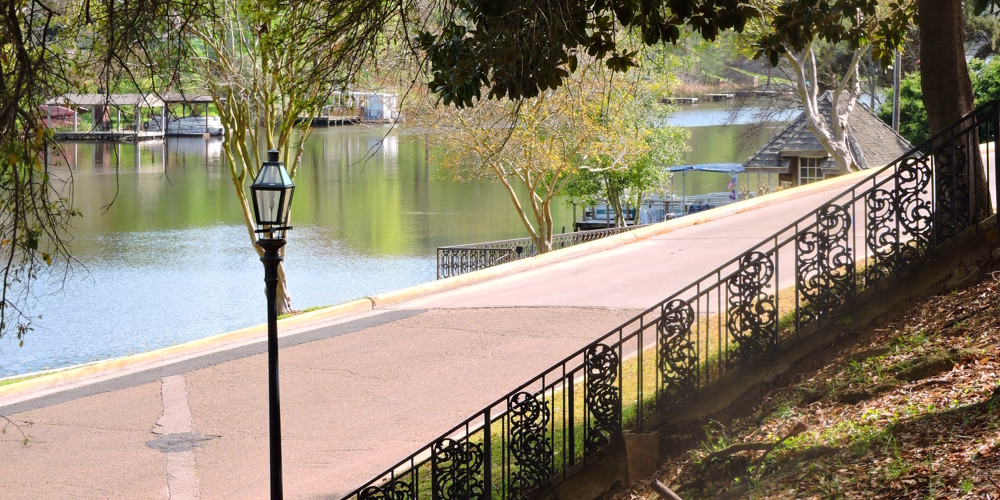
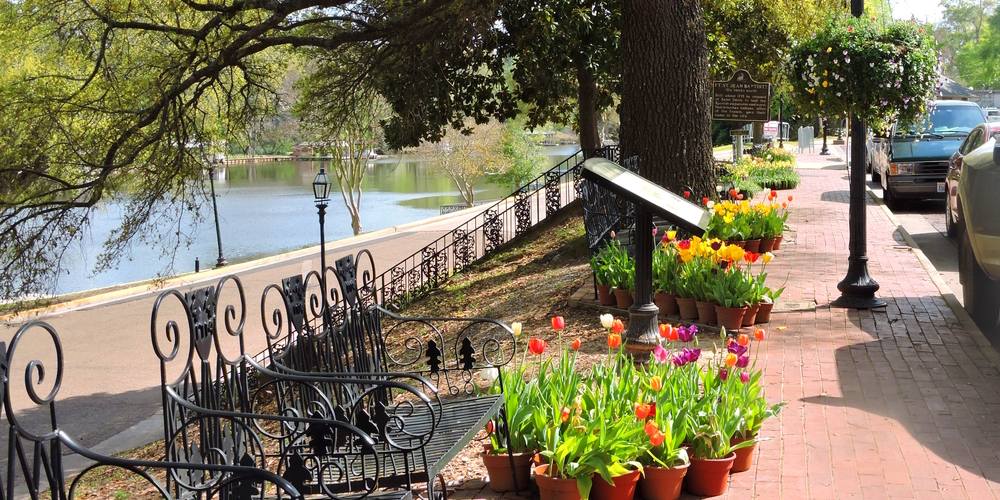
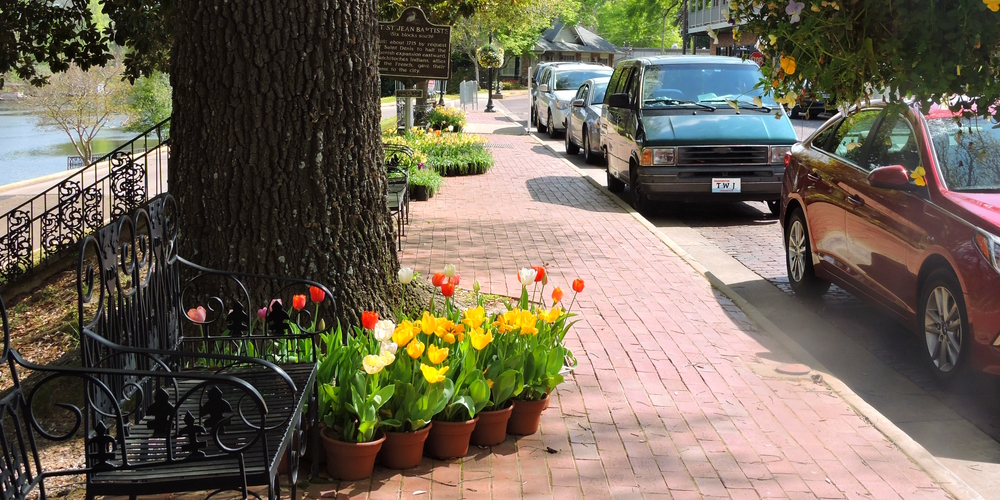
On Cane River Lake, an abandoned meander of the Red River found in downtown Natchitoches, Louisiana, are located the remains of Fort Saint Jean Baptiste at the eastern end of El Camino Real de Los Tejas.
The Coastal Plains Region
Louisiana: South Pine Belt Plains Ecoregion
El Camino Real de Los Tejas
The jammer parked along the Cane River Lake in historic Natchitoches, Louisiana.
The Coastal Plains Region
Louisiana: South Pine Belt Plains Ecoregion
El Camino Real de Los Tejas The Coastal Plains Region
Louisiana: South Pine Belt Plains Ecoregion
El Camino Real de Los Tejas The Coastal Plains Region
Louisiana: South Pine Belt Plains Ecoregion
El Camino Real de Los Tejas The Coastal Plains Region
Louisiana: South Pine Belt Plains Ecoregion
El Camino Real de Los Tejas The Coastal Plains Region
Louisiana: South Pine Belt Plains Ecoregion
El Camino Real de Los Tejas

To go back to the Gallery Index, click on down arrow. Go Back Go to previous section
on this page

Thank you for visiting The Wayƒarers Journal.

See Ya above the Treeline!

This Page Last Updated: 31 March 2026


To continue to the next Episode Level page, Click here go to top
 
The Wayƒarers Journal © ::: Come Join the Journey ™
by Thom Buras
Come Join the Journey ™