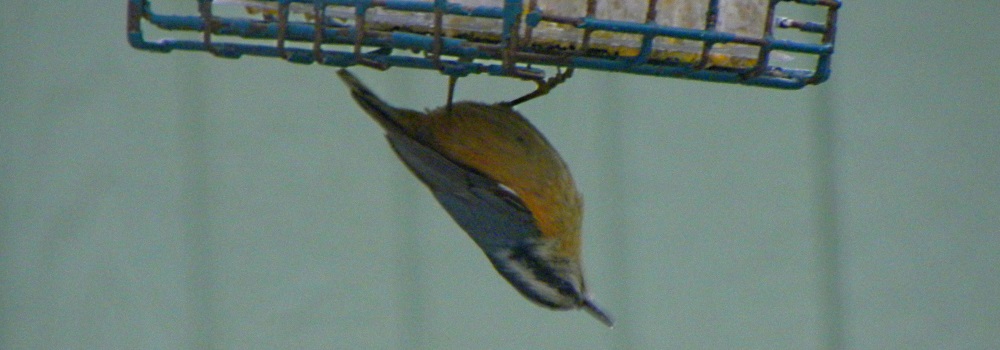
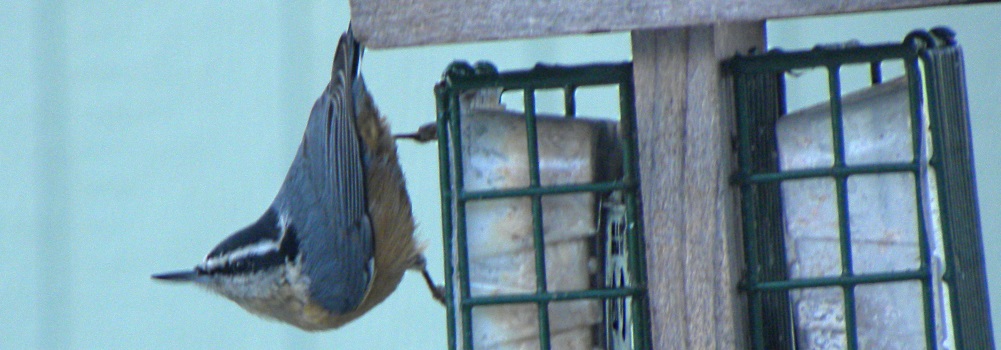
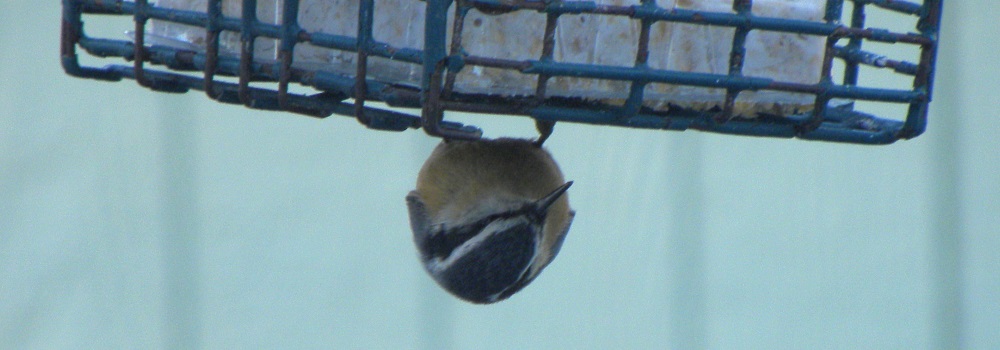
The red-breasted nuthatch (Sitta canadensis) is a small songbird. The song of this bird is like a tin trumpet which is high pitched and has a nasal tone.
The red-breasted nuthatch eats seed (especially from conifers), insects (often catching the insects in flight), and forage on the trunks and large branches of trees
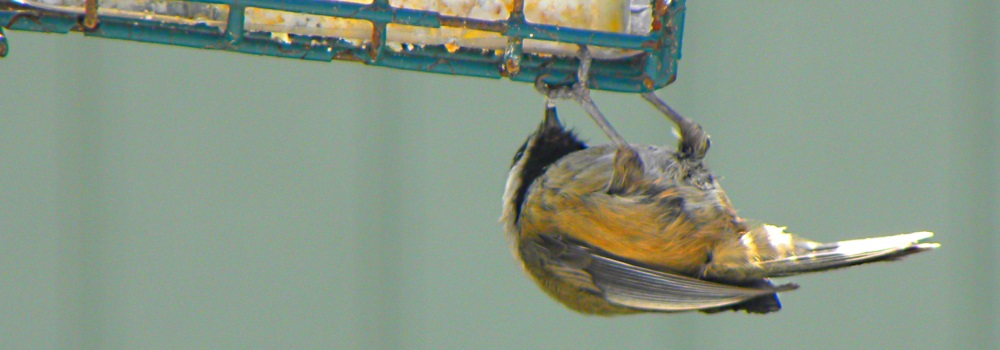
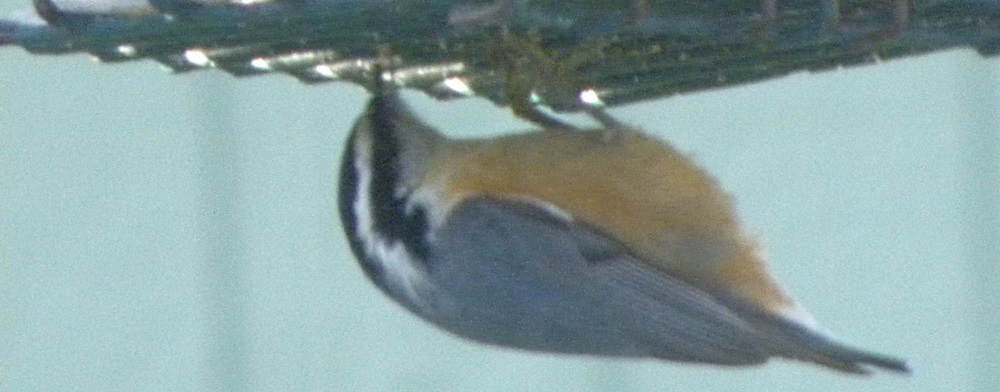
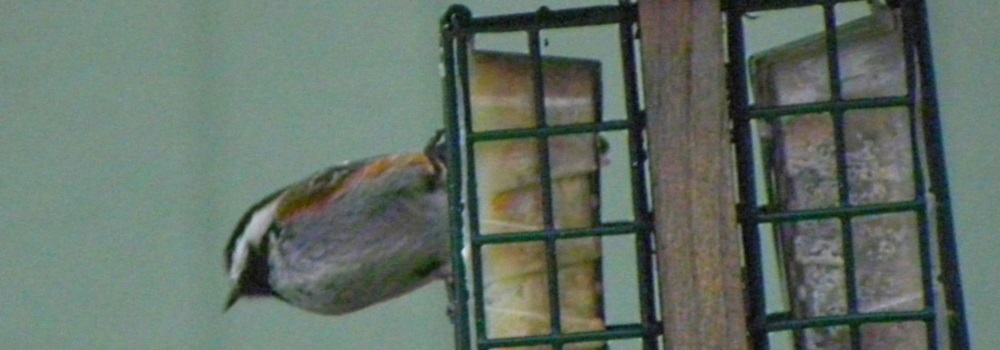
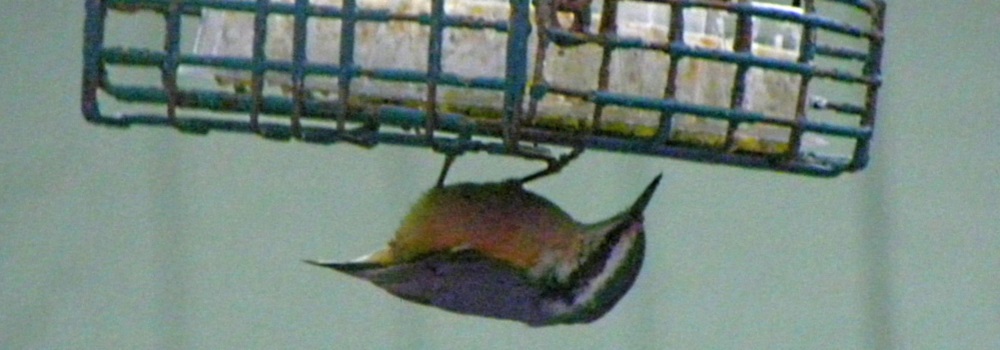
(often seen descending head first).
This nuthatch excavates its nest in dead wood, often close to the ground and then smears the entrance with pitch.
Like all nuthatches, the red-breasted nuthatch is assigned to the genus Sitta, which is the Ancient Greek word for this bird. The species name (specific epithet) canadensis is from Neo-Latin meaning: belonging to Canada.
Phylum:
Chordata
Class:
Aves
Order:
Passeriformes
Family:
Sittidae
Genus:
Sitta
Species:
canadensis
Common Name:
Red-breasted nuthatch
Conservation Status:
LC
Subspecies:
Description:
Length:
4 1/2 inches
Mass:
0.35 ounces
Wingspan:
inches
Male:
Blue-gray upperparts with cinnamon underparts, white throat and face with a black stripe through the eyes, white eyebrow strip, straight grey bill and black crown.
Female:
Females are paler.
Juvenile:
First Year:
Habitat
Often seen in conifers where it pries seeds from the cones and takes insects from bark.
Range
Year-round:
This bird can be seen throughout the continent year round.
Breeding:
Breeding is done in coniferous forests across Alaska, Canada, and the northeastern and western Unites States.
Summer or Nesting:
Migration (spring and fall):
Sometimes, specific circumstances such as a good breeding season followed by a food source failure the following year lead to irruptions in which large numbers of a species move far beyond the normal range. Thus, even though these birds are considered permanent residents within a northern region, it can often irrupts further south if its food supply fails. There are records of vagrants occurring as far south as the Gulf Coast of Texas and northern Mexico.
Wintering:
Winters mostly in the southern half of the continent