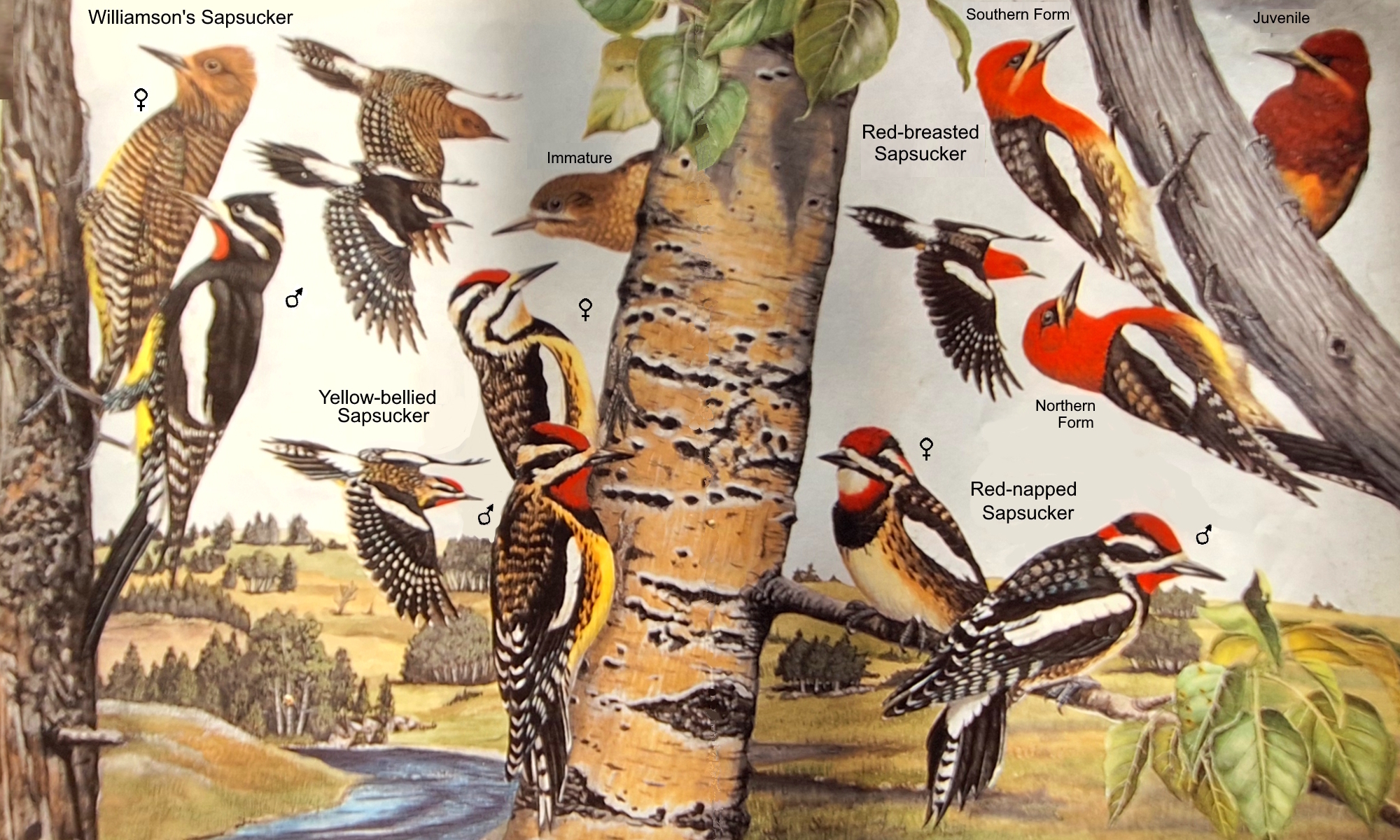
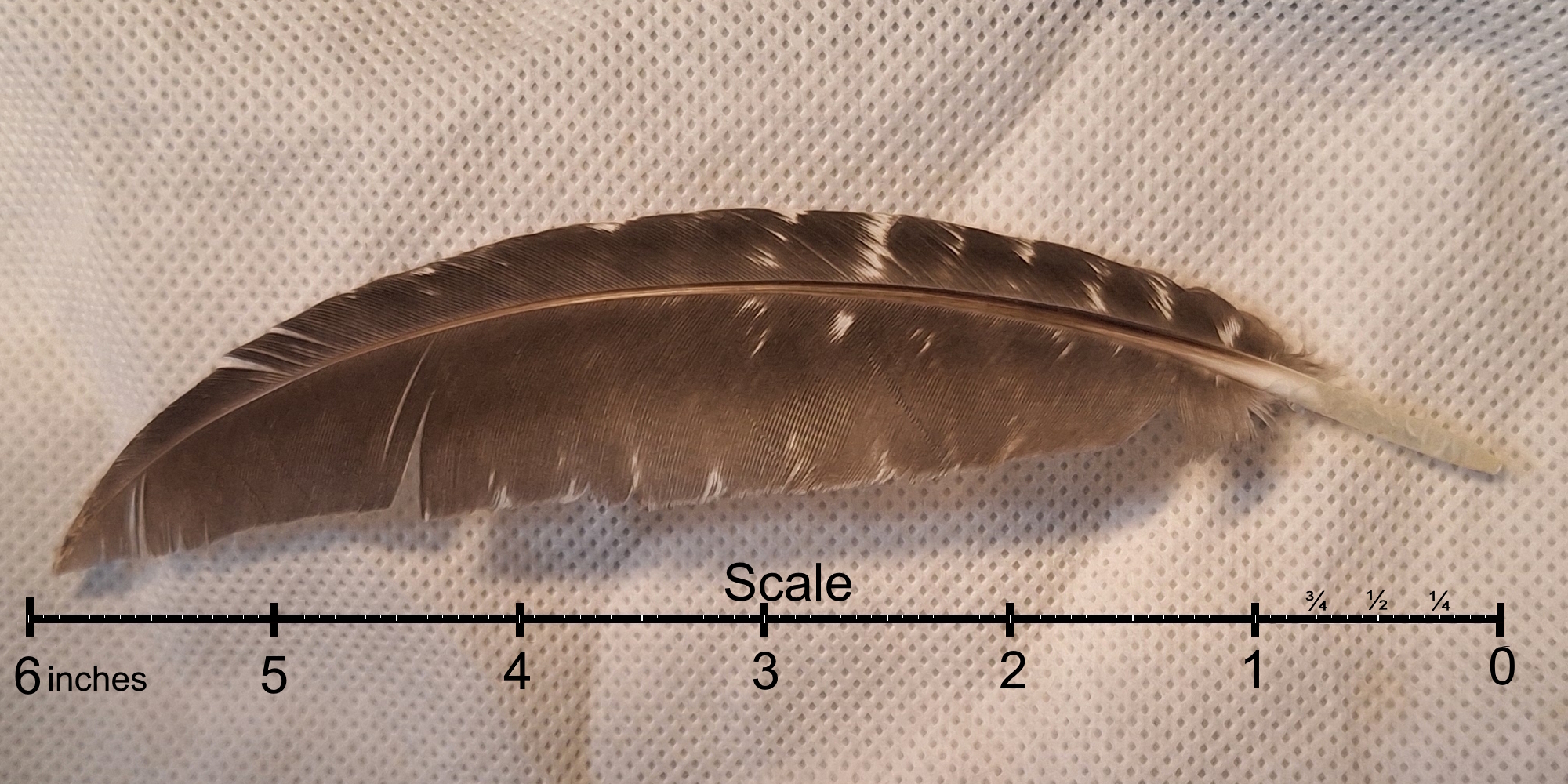
The North American tree climbers span 2 orders: Passerformer and Piciformes; 8 genus and are logically divided into five birds groups. These groups are: Brown Creeper, Nuthatches, Flickers, Woodpeckers, and Sapsuckers.
Tree climbers use their remarkable bills to hammer and probe under the bark of mostly dead and dying trees in search of insects. The woodpeckers and other similar birds are usually seen clinging to the side of trees.
Phylum:
Chordata
Class:
Aves
Order:
Passeriformes
Common Name:
Creepers and Nuthatches
Creepers and nuthatches are much smaller tree climbers than woodpeckers.
Nuthatches long toes allow them to climb headfirst down a tree in search of
food, probing the bark and hammering with their strong, sharp bills.
Creepers circle a tree upward probing with a slender curved bill.
Order:
Piciformes
Common Name:
Woodpeckers, Flickers and Sapsuckers
These birds live in the forest, climb trees and search for bugs in the bark.
They use heavy sharp bills to hammer and chisel under the bark and have
powerful neck muscles to drive the blows.
The stiff center pair of tail feathers prop the bird forward as it hammers.
There thick but sponge-like skull absorbs the shock and protects the brain
while their long tongue is used to probe for grubs in deep tunnels in the bark.
Woodpeckers have sharp curved claws which they use to cling to tree bark
and most have two toes pointing forward and two toes pointing backward.
Few woodpeckers depend solely on the insect they probe for in tree bark,
as many flycatch, consume fruit, seeds, or store nuts for winter and many
are know to show up at suet feeders.