|
Mammals at Yellowstone
Yellowstone is home to hundreds of large animal species, including: big horn sheep, bison, black bears, bobcats, Canada lynx, coyotes, elk, gray wolf, grizzly bear, moose, mountain goats, mountain lions, mule deer, red fox, white-tail deer.
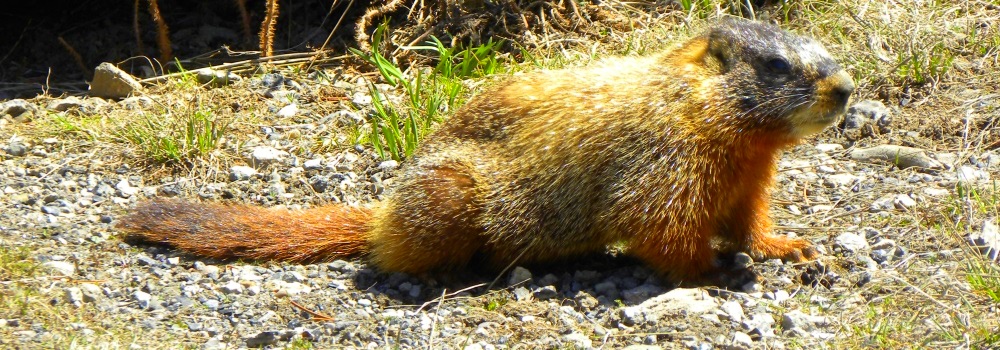
Some fifty small mammals species make their home in Yellowstone including four bat species, badger, beaver, mice, otter, rabbits, raccoon, shrew, squirrels, skunk, and vole. Many of these are nocturnal and rarely seen by visitors.
However, the Uinta ground squirrel, least chipmunk, golden-mantled ground squirrel and American red squirrel are commonly sighted.
Birds at Yellowstone
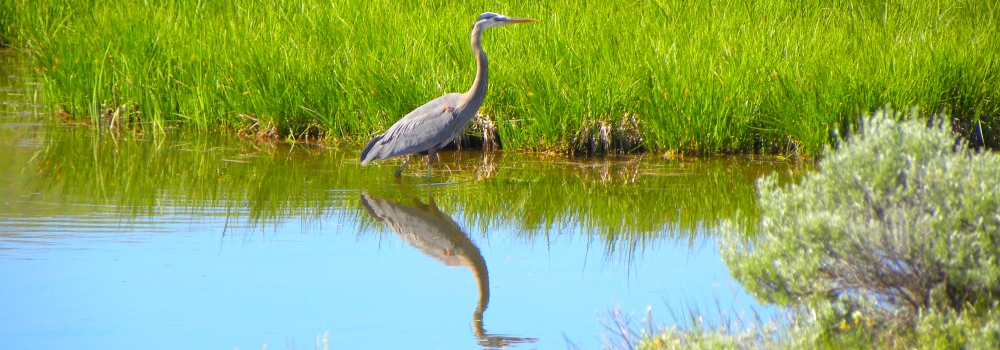
There have been 318 species of birds documented within the park boundaries. Although Yellowstone is not a birding mecca because of its high altitude and cold winters, it is home to a variety of interesting bird species that attract visitor attention every year. The park has a good resident population of bald eagles, trumpeter swans, common loons, ospreys, American white pelicans, and sandhill cranes.
The extensive rivers, lakes and wetlands are summer homes to large numbers of waterfowl, while the forests and meadows host many different species of warblers, sparrows and other passerine birds.
Amphibians and Reptiles
Yellowstone, due to glacial nature and current cool and dry conditions are likely responsible for the relatively low numbers of these animals.
There are four species of amphibians, blotched tiger salamander, boreal chorus frog, western toad and Columbia spotted frog.
There are six species of reptiles, including the prairie rattlesnake, bullsnake, valley garter snake, wandering garter snake, rubber boa and sagebrush lizard.
Fish
The fish of Yellowstone National Park, in Idaho, Montana and Wyoming, include 13 native fish species and six introduced or non-native species
Yellowstone Lake supports the largest inland population of cutthroat trout in the world, and is the core of the remaining undisturbed habitat for native Yellowstone cutthroat trout in the Yellowstone ecosystem. Each spring, cutthroat trout migrate from the lake to its tributaries to spawn.
|