|
Climate:
The climate is constant, with small annual temperature range. The average high temperature in January is about 60 degrees, rising to 71 degrees in April, 82 in July, and 75 degrees in October.
The rainfall is abundant and well distributed throughout the year, ranging from 40 to 60 inches per year.
Flora:
Temperate rainforest, also called temperate evergreen forest or laurel forest, is typical here, which forest has fewer species of trees than its equatorial or tropical counterparts, and hence larger populations of individual species. Trees are not as tall here as in low-latitude rainforests; leaves are usually smaller and more leathery, and the leaf canopy less dense.
Common species include evergreen oaks and members of the laurel and magnolia families. The understory is usually well-developed and may variously include tree ferns, small palms, shrubs, and herbaceous plants. Lianas and epiphytes are abundant.
At higher elevations, where fog and clouds persist, the trunks and branches of trees are often sheathed in moss. A striking example of epiphyte accumulation at lower elevations is the Spanish "moss" that festoons the Evangeline oak, baldcypress, and other trees of the eastern Gulf coast.
Both the marshes along the Atlantic coast and the interior swamps are dominated by gum and cypress. Upland areas are covered by spine forest, with an understory of grasslands known as savannas. Undrained shallow depressions in these savannas form upland bogs where evergreen shrubs predominate.
Land Surface:
This ecoregion has flat and irregular plains gently sloping to the coast, both on the Atlantic and Gulf sides. Streams are sluggish and lakes, marshes and swamps are frequent.
Temperate rainforest grows on a wide variety of upland soils, but most tend to be wet, acidic, and low in major plant nutrients. The soils are derived mainly from coastal plain sediments ranging from heavy clay to gravel, with sandy materials predominant. Silty soils occur mainly on level expanses. Sands are prevalent in hilly areas, but they also cover broad flats in central Florida.
Fauna
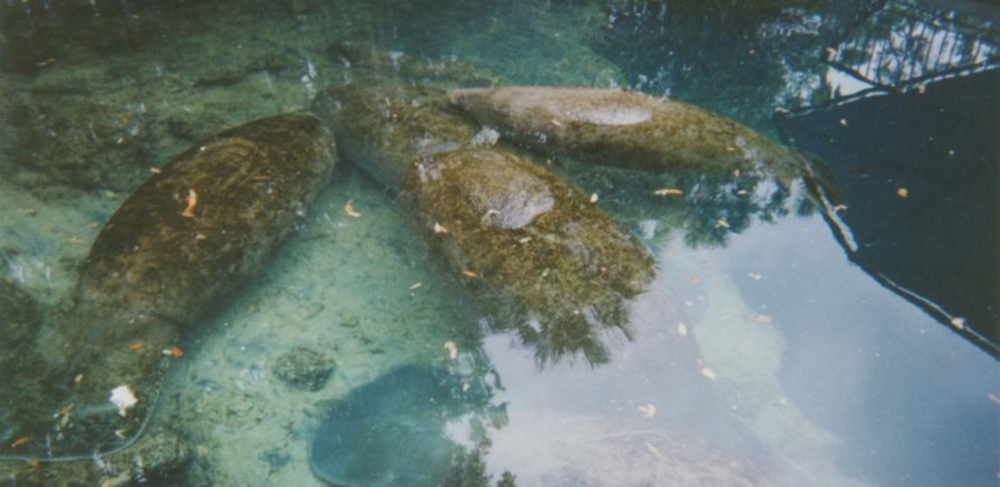
This region provides habitat for a wide variety of animals. Large mammals found in Georgia are the
manatee,
black bear, and the
whitetail deer. Common small mammals include
beaver,
gopher,
skunk,
river otter,
raccoons,
opossums,
rabbits,
flying squirrels, numerous species of ground dwelling
rodents and numerous bats.
The
bobwhite and
wild turkey are the principal game birds. Migratory nongame bird species are numerous, as are migratory waterfowl. Winter birds are as diverse and numerous. The red-cockaded
woodpecker is an endangered species.
The American
alligator is the largest of the numerous species of reptiles.
The NNN is
NNN Information:
Description:
Location:
Coordinates:
Elevation:
feet
The Ancients
First Wayƒarer
The Earth
The Modern Man
The Steps
Steps Afoot
Georgia Footpath Journey Index
Steps Afield
Georgia Roadpath Journey Index
The Appendixes
|