|
The South Pine Belt Plains
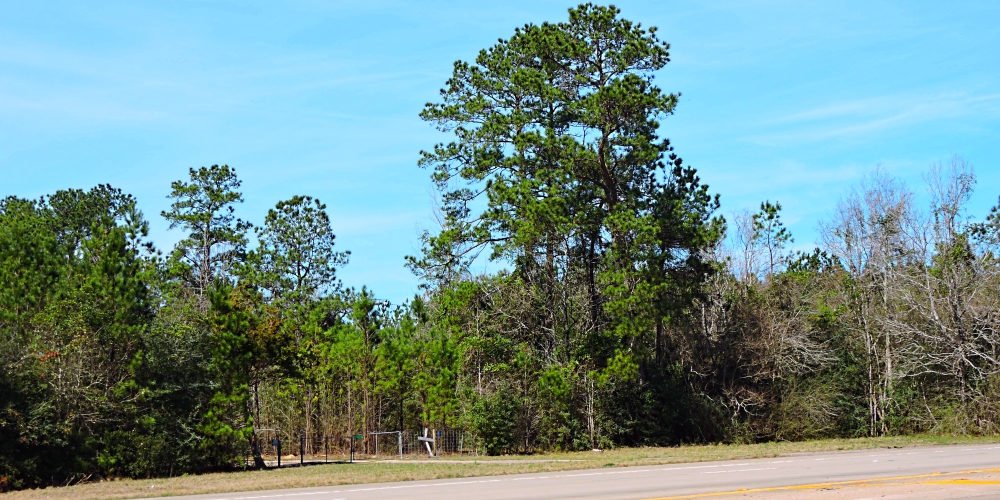
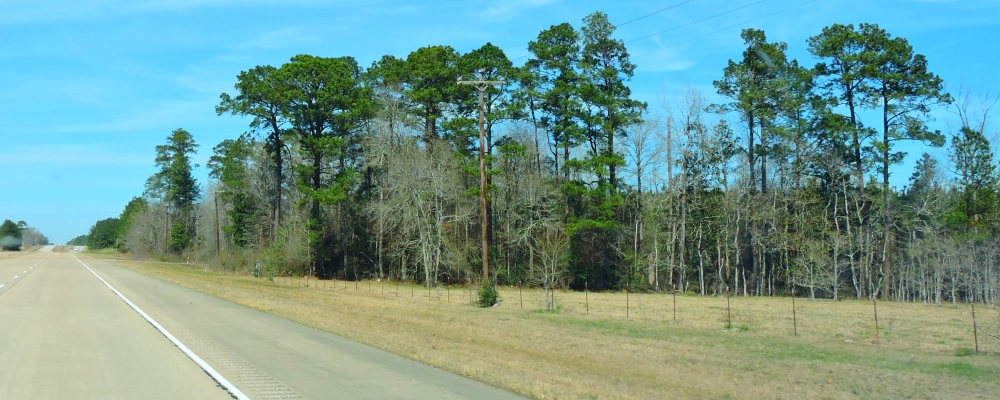
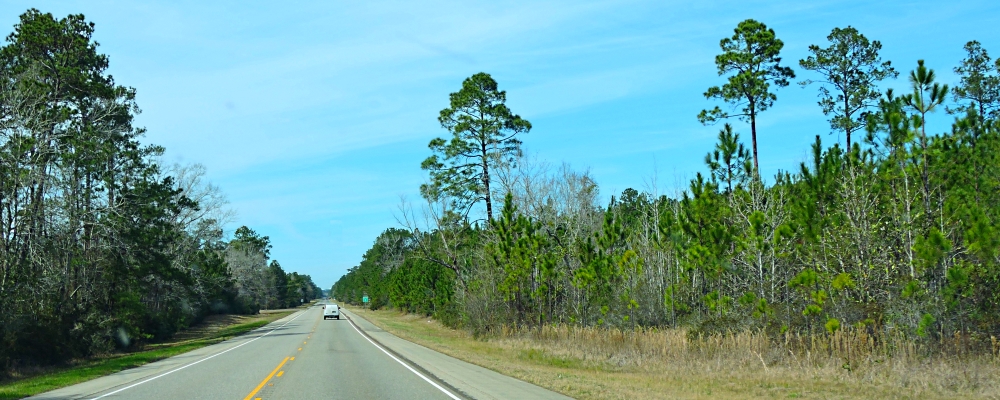
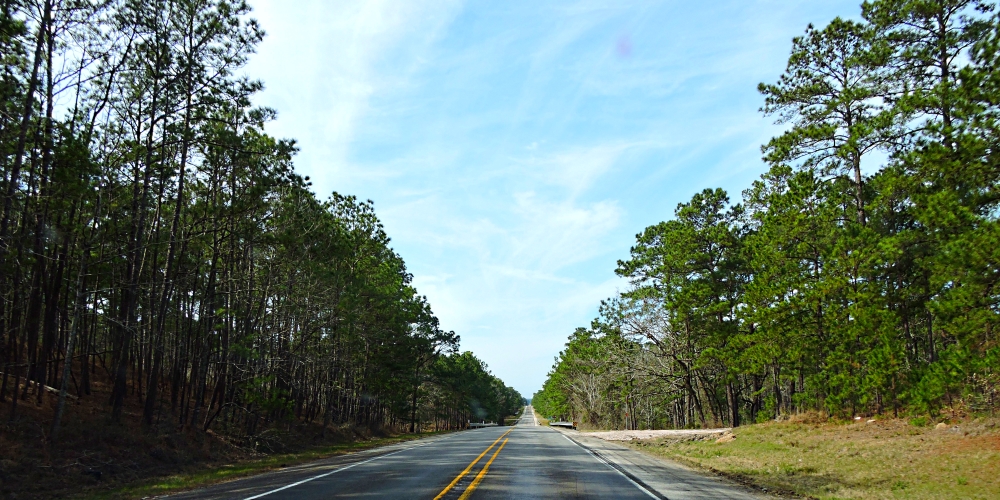
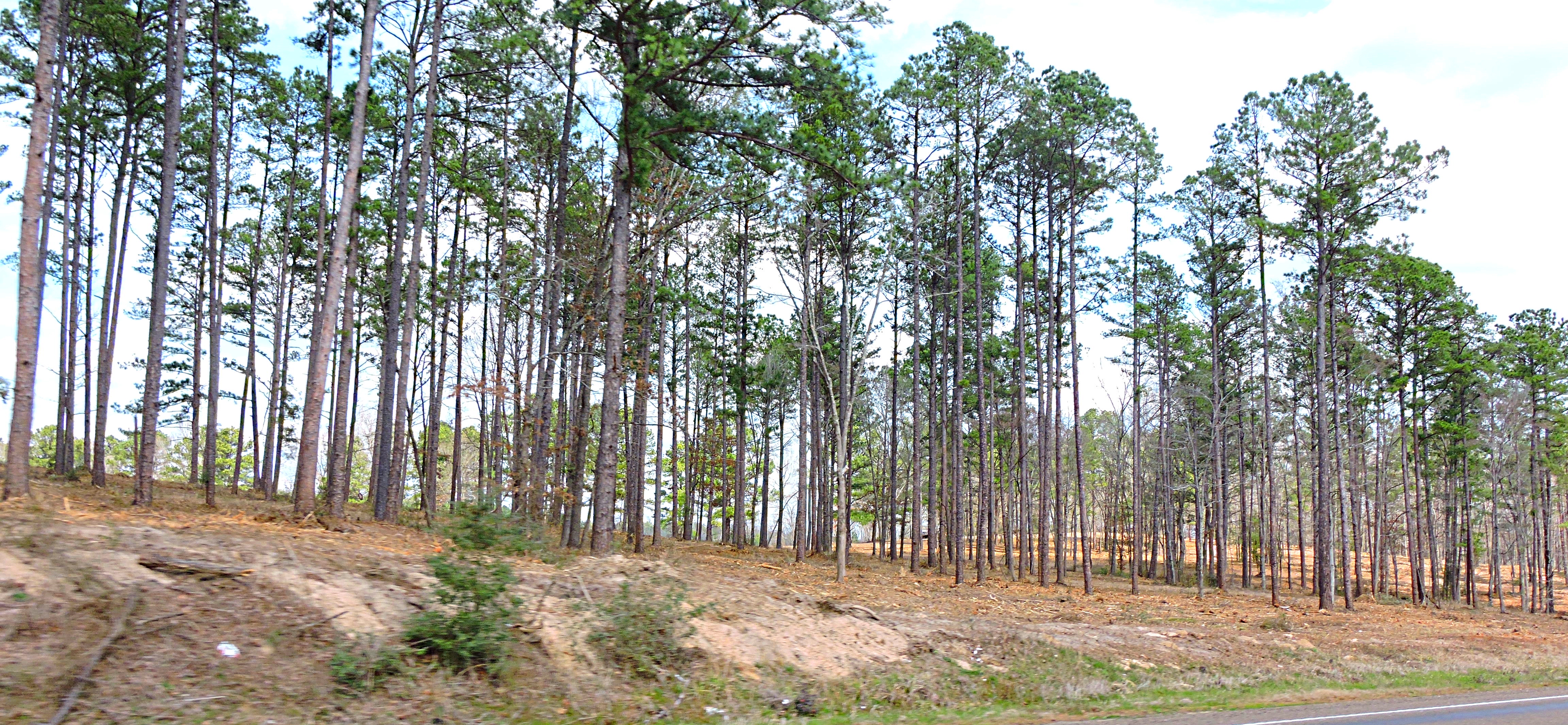
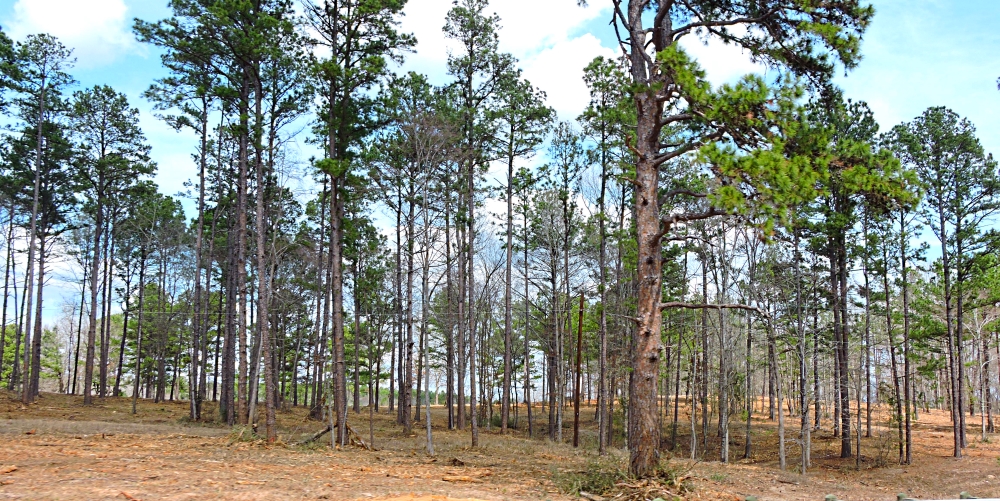
The South Pine Belt Plains ecoregion is an area located in east Texas, northwest Louisiana, southwest Arkansas and a small piece of southeast Oklahoma which is locally referred to as the Piney Woods area and which represent the westernmost portion of the area of the southwestern North America dominated by pine forest.
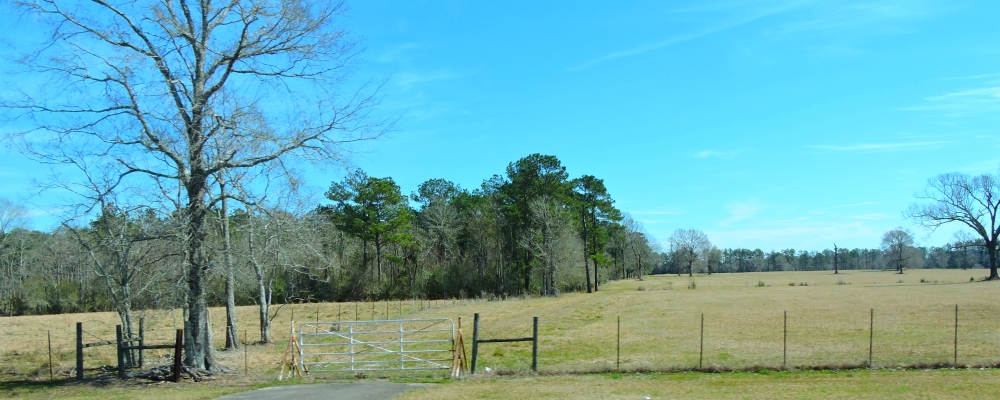
The soils and climate in this ecoregion has always been adaptable to the production of a variety of farm crops, including both fruit and vegetable. Like most other areas in these states, cattle raising is widespread, along with the development of pastures planted to improved grasses.
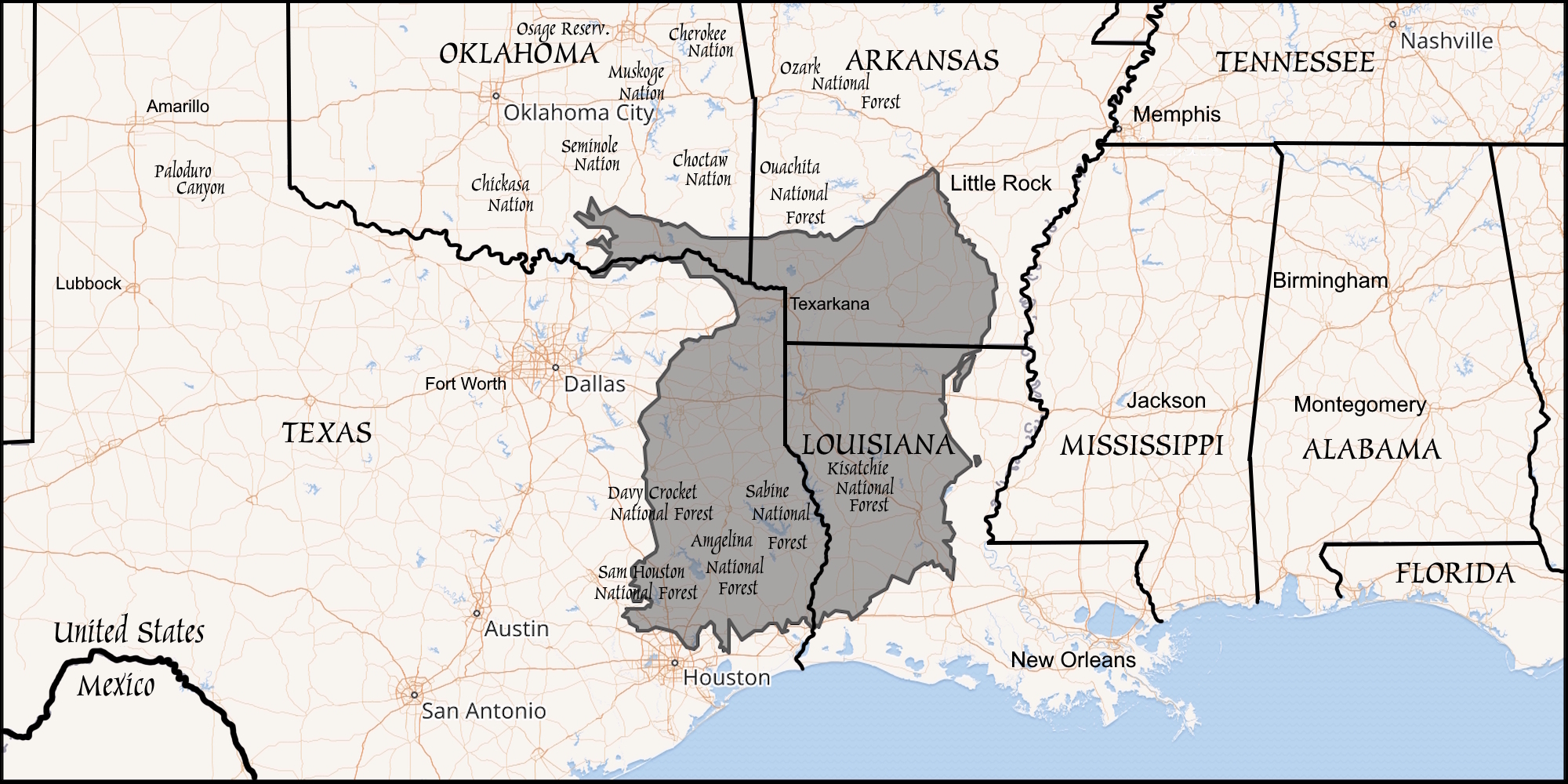
(m0-maps-pineywoods) South Pine Belt Plains Ecoregions
South Pine Belt Plains Information:
Description:
Climate
This ecoregion normally receives from 42 to 52 inches of precipitation annually. The rainfall in this area is considered to be from heavy to moderate and some locations receive over 60 inches per year.
This four state South Pine Belt Plains ecoregion lies towards the warmer end of a humid subtropical climate and the rainfall in the Piney Woods area is much higher than in those regions to the west, however, the Piney Woods rainfall is lower than that rainfall in the
Interior Highlands ecoregions to the north and the
Gulf Coastal Plains ecoregion to the south. The highest rainfall in the South Pine Belt Plains tends to be in the southeast of this ecoregion.
Although much of the year has similar levels of precipitation, August has markedly less, receiving half or less than half of the rainfall occurring during the wettest months, although relative humidity usually remains high through the August dry season. Precipitation peaks in June in parts of the region, in November in others. Summer can see severe thunderstorms, hail, and tornadoes. Winters are mild but can bring some ice, sleet, and on average a month or slightly more worth of freezing temperatures.
Flora
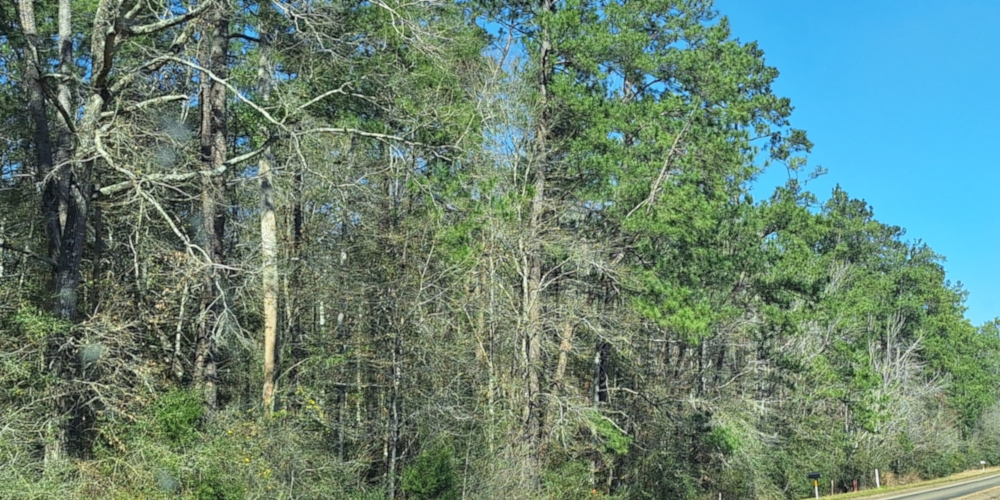
Sandhills are dominated by evergreen trees including longleaf, shortleaf, and loblolly pines. Also found on the sandhills are coniferous trees including bluejack and post oaks. A well-developed understory grows beneath the sparse canopy, and includes yaupon holly and flowering dogwood.
Pine savannas consist of scattered longleaf and loblolly pines alongside black tupelos, sweetgums, and in acid soils along creeks sweetbay magnolias.
Other common trees in this ecoregion include eastern redbud, red maple, southern sugar maple, and American elm. American wisteria, a vine, may cover groves of trees.
Texas Piney Woods
The Texas Piney Woods was settled early in history of Texas and has some of the oldest farming areas in the entire state.
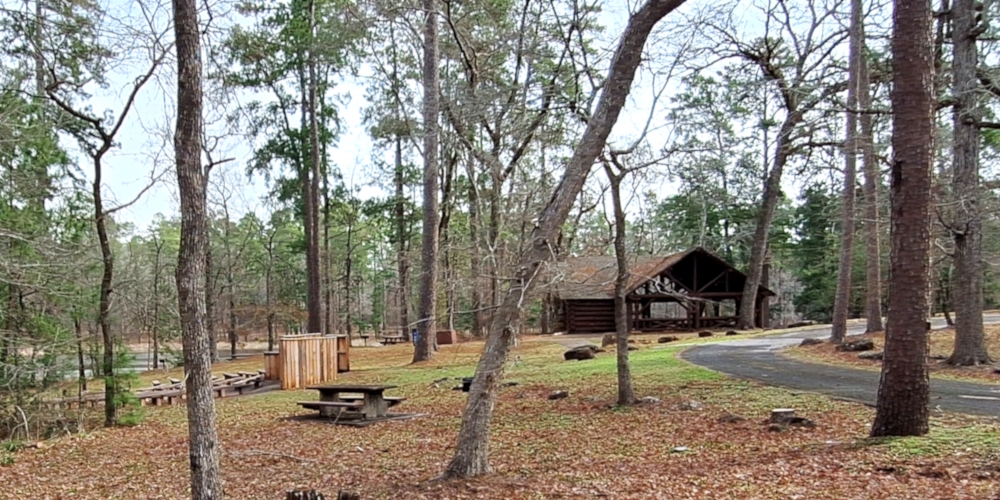
As a part of the larger South Pine Belt Plains, the Pine Belt extends 75 to 125 miles into Texas from the Louisiana state line, and south from the Red River to almost to the Gulf Coast. In Texas, this sub-ecoregion includes quite a few patches of thickly forested areas, now mostly cut down by the timber industry. Still, there are a few protected enclaves, one of which is the Double Lake National Recreation area.
At the time which I was a young boy and after having joined the Boy Scouts, I was to thereafter become quite familiar with these woodlands, due to the fact that the troop that I was a part of would go camping one weekend every month year round. And where was it that we traveled to for our monthly camping trips? The vast majority of our outings were into the woodlands of the Pine Belt.
Upon my very first camp out with the troop, we drove up from our homes in the Gulf Coastal Plains and north into these woodland where we set up our campsite in the Double Lake National Recreation Ares. This was a favorite for the Scout troop and still is a favorite of mine today.
Those large expansive areas of thick forests were known in some areas of this woodlands as the Big Thicket and camping was done around the edges of the forested areas. Today, however, those vast areas of evergreen forest have been cut down to supply the never ending need for timber for the housing industry in the numerous cities that keep popping up everywhere in the Coastal Plains region
To the west of the Piney Woods is the Post Oak Belt, with farming and livestock raising with some blackland soil resembling that of the Piney Woods. Within this Post Oak Belt are isolated areas of loblolly pines, known locally as the Lost Pines and which are the westernmost southern pines on the entire continent.
Further west is the Blackland Belt, from a short ways north of the Rio Grande river to almost the Red River, which has its westernmost edge lying below the Balcones Fault line and extends from 15 to 70 miles southward or eastward to the Post Oak Belt. This ecoregion, with rolling prairies is well suited for farming with land easily turned with the plow.
Texas Industry
The primary industry in east Texas are the expansive pine forests as well as the hardwood timbers, often growing in valleys near rivers and creeks. Together, these forests are the source of nearly all of the commercial timber production in the area, and this industry is the principle one of the ecoregion.
Also, there are iron-and-steel industries in the northern area as well as further south near Henderson, both of which are near iron deposits. Too, several oil fields discovered in the central Piney Woods have contributed to growth of the economy.
The Ancients
First Migration
(The Algonquian Cultures)
Joktan's son Diklah departs from his father and the rest of the brothers after breaking camp, the one which near the confluence of the Ohio and Tennessee Rivers. Diklah, together with his family continue downstream from that camp and continues down the Ohio river and when they arrive at the confluence with the Mississippi river, they choose to continue downstream.
Diklah's sons and their descendants settle in the Coastal Plains area.
The Earth
Forests and Wilderness Lands:
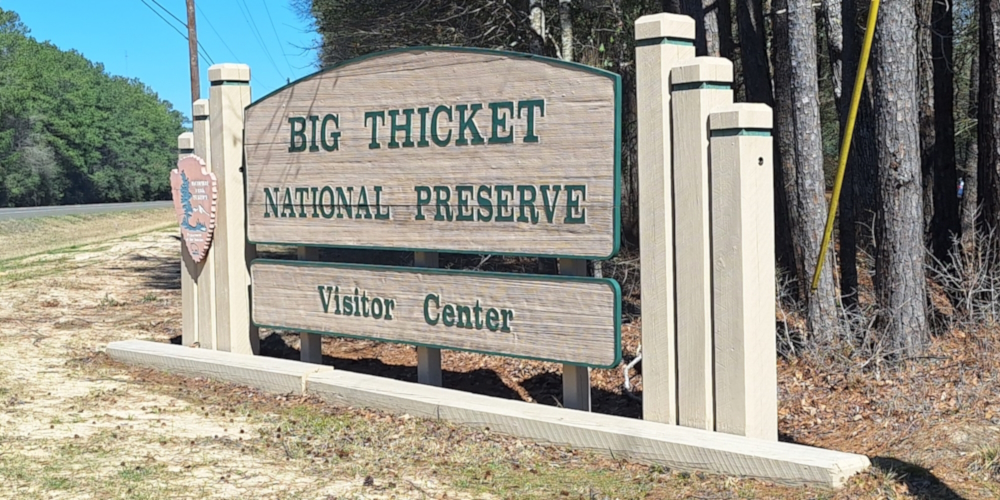
Big Thicket National Preserve
(30.4582461, -94.3869460)
The Modern Man
South Pine Belt Plains CGs
Boykin Springs Recreation Area
Double Lake NRA campground near Coldsprings, Texas
Mission Tejas State Park (31.5477452, -95.2398004)
Neches Bluff Campground in Davy Crockett NF, near Alto, Texas
Ratcliff Lake NRA campground
The Steps
Steps Afoot
Texas Footpath Journey Index
Steps Afield
Texas Roadpath Journey Index
The Royal Roads (Los Caminos Reales)
|